
All categories
Featured selections
Trade Assurance
Buyer Central
Help Center
Get the app
Become a supplier
The 37 pin LCD screen market is stable and viable for bulk procurement, with rising demand for replacement and high-resolution modules driven by IoT and industrial electronics. Supply chain risks are manageable, but buyers must carefully match pinouts and interfaces for compatibility. Price tiers are competitive, and OEM/ODM options are abundant, making the category attractive for B2B sourcing [1][2][3].
The 37 pin LCD screen category is trending due to its versatility in embedded systems, IoT devices, and industrial controls, where high-resolution, touch-enabled, and programmable displays are increasingly demanded. Buyers must prioritize pinout and interface compatibility, as mismatched specifications are a frequent source of procurement failure. OEM/ODM customization is readily available, but technical documentation and warranty support are essential for large-volume orders. The selection criteria for the curated list focus on interface type (SPI, parallel, touch), resolution, and supply chain reliability.
| Trend Factor | Current Status | Impact on Buying Decision |
|---|---|---|
| IoT & Embedded Demand | Rising | High |
| Touch Module Popularity | Growing | Medium |
| Interface Complexity | Diverse | High |
| OEM/ODM Availability | Abundant | High |
| Supply Chain Risk | Low to Moderate | Medium |
Buyers should prioritize pinout and interface compatibility, and request technical documentation to avoid procurement failures.
Current market conditions for 37 pin LCD screen modules are stable, with supply chain resilience supported by multiple OEMs and ODMs in China and Southeast Asia. Industry drivers include the expansion of IoT, embedded systems, and industrial controls, where high-resolution and touch-enabled displays are increasingly required. Supply chain dynamics are shaped by the need for rapid customization, robust interface options, and reliable warranty support. Macro risks include geopolitical disruptions and component shortages, but these are largely mitigated by diversified sourcing and flexible logistics. Buyers should monitor interface standards and resolution requirements to ensure compatibility.
| Market Dimension | Current Status | Impact Level |
|---|---|---|
| OEM/ODM Supply | Strong | High |
| Interface Diversity | High | Medium |
| Geopolitical Risk | Low | Low |
| Component Shortage | Minimal | Low |
| Warranty Support | Variable | Medium |
OEM/ODM supply is robust, but buyers should verify interface standards and request warranty details to mitigate risk.
Google Trends for 37 pin LCD screen replacement, TFT, and module queries (2025–2026)
Search trend analysis shows that demand for 37 pin LCD screen replacement and TFT modules peaked in late 2025, indicating seasonal repair cycles and product upgrades. Buyers should time procurement around these peaks to secure inventory before price surges. The steady rise in "replacement" queries suggests ongoing maintenance needs, while "module" queries reflect new project launches. Trend data signals buyers to anticipate seasonal demand spikes and prioritize flexible sourcing to avoid supply bottlenecks.
Online communities, especially Reddit, provide valuable insight into the pain points and use cases for 37 pin LCD screen modules. DIY repair threads highlight the challenge of pinout confusion, connector compatibility, and the difficulty of sourcing replacement screens for legacy devices. Technical discussions focus on interface options (SPI, parallel), driver ICs, and the need for clear technical documentation. TikTok sentiment is neutral but technical, with videos showing easy integration of modules into maker projects. Overall, buyer sentiment is positive for high-resolution, touch-enabled modules, but negative for poorly documented or incompatible screens.
"Since you've no experience what so ever, you'd better start from C-programming 101 courses that you can find plenty of from YouTube. So you understand the basics." [5]
"It will be easier to buy a new screen that does what you want. This is (probably) a raw screen, it needs a controller to drive the display. Something like the ssd1309. If you want HDMI then you need a HDMI controller, you may be able to find them combined on a single chip if you are super lucky. The display pinouts aren't standardised, so you need to figure out what your pinout is and design an appropriate board." [7]
| Dimension | Reddit Insights | TikTok Insights |
|---|---|---|
| Pinout Confusion | High, frequent DIY issues | Neutral, technical focus |
| Interface Options | Discussion on SPI vs. parallel | Tutorials on integration |
| Documentation Needs | Essential for procurement | Highlighting clear manuals |
| Repair Challenges | Difficult for legacy devices | Minimal, focus on new builds |
| Sentiment | Positive for touch, negative for poorly documented | Positive for easy integration |
Buyers should request detailed technical documentation and prioritize touch-enabled modules for easier integration.
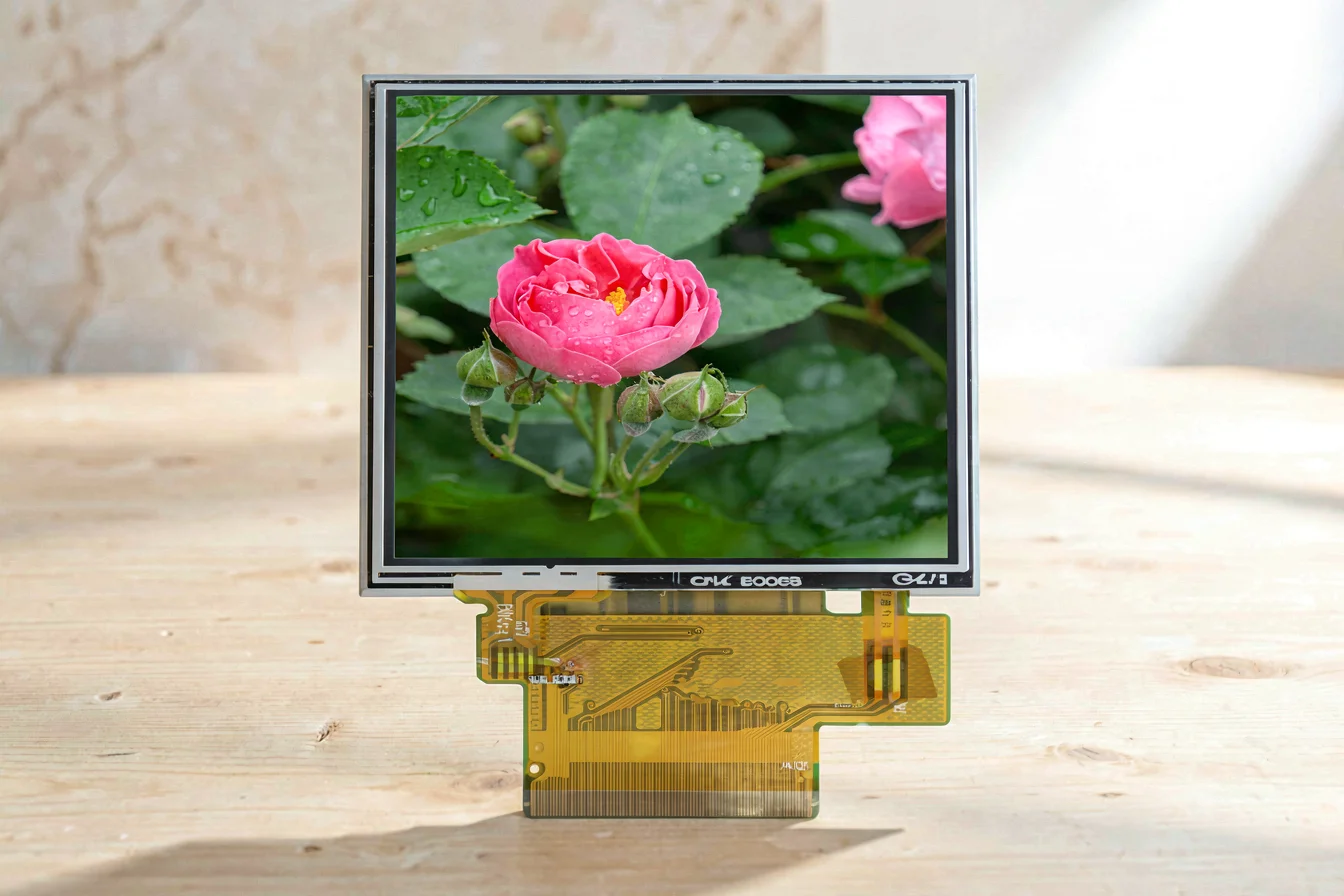
Amazon sales data shows that 37 pin LCD screen products leading in sales are high-resolution touch-enabled modules, programmable displays, and robust ribbon cables for connector compatibility. Price tiers range from $9 to $39, with touch-enabled screens commanding higher prices due to advanced features. Buyers should evaluate interface type, resolution, and driver IC compatibility for project-specific needs. OEM/ODM modules are preferred for bulk procurement, as they offer customization and warranty support.
| Image | Name | Price | Rating | Key Features |
|---|---|---|---|---|
 |
I2C 1602 LCD Display Module | USD 12.99 | 4.7/5.0 | I2C interface, 16x2 display, adjustable backlight, Arduino/Raspberry Pi compatible |
 |
2.4-inch 37-pin LCD Horizontal Screen | USD 18.99 | — | HX8357A driver, 8/16-bit parallel interface, 320x240 RGB |
 |
2.6 inch 37-pin 262K Color LCD Touch Screen | USD 28.99 | — | ST7781 driver, 8-bit interface, 240x320 RGB, touch-enabled |
 |
2.4 inch 37PIN LCD Screen ILI9341 Driver | USD 34.99 | — | ILI9341 driver, 8-bit interface, 240x320 RGB |
 |
waveshare 1.3inch LCD Display Module | USD 12.47 | 4.6/5.0 | IPS screen, 240x240 HD, SPI interface, 65K color |
 |
#icpart 2.4 Inch TFT LCD Screen Module | USD 23.99 | — | ILI9341V driver, 16-bit color, 4-line SPI port |
 |
2.2 inch 37PIN LCD Screen ILI9225G Driver | USD 18.99 | — | ILI9225G driver, 176x220 RGB, 8/16-bit interface |
 |
#icpart 2.4 Inch TFT LCD Screen LCD with Touch Screen | USD 25.99 | — | Touch-enabled, parallel port, 37pin, 16-bit color |
 |
2.6-inch 37-pin 262K Color LCD Screen ILI9335 Driver | USD 34.99 | — | ILI9335 driver, 8-bit parallel interface, 240x320 RGB |
 |
3.2 inch 37PIN LCD Touch Screen SSD1289 Driver | USD 39.99 | — | SSD1289 driver, 8/16-bit interface, 240x320 RGB, touch-enabled |
 |
MEIRIYFA DB37 37 Pin Gender Changer D-SUB | USD 9.98 | 5.0/5.0 | Female to female, EMI/RFI shielding, plug and play |
 |
MECCANIXITY IDC Rainbow Wire Flat Ribbon Cable DB37 Male to DB37 Male | USD 12.87 | 5.0/5.0 | IDC rainbow wire, 37 pin, 2.54mm pitch, 19.7 inch length |
Touch-enabled modules and programmable displays lead sales, with interface compatibility and warranty support driving procurement decisions.
Buyer review analysis shows that praised strengths include easy integration with Arduino/Raspberry Pi, adjustable backlight, and robust connectors. Common complaints focus on unclear technical documentation, pinout confusion, and occasional backlight issues. Positive reviews highlight the value of detailed manuals and warranty support, while negative reviews emphasize the need for clear interface specifications and compatibility checks.
"These LCD screens are good. If you're familiar with the 4x16 which come with some of the Arduino kits, these are different in that they use I2C communication. This is a good thing as using I2C with the Arduino is easy and means these only need 4 wires to be connected: Vcc, GND, and two wires to enable the comms to the Arduino. Much easier than the ratsnest of wires to the 4x16 which come in some kits." [2]
"Very solid connector worked well for the job it was used on. nice hardware." [2]
| Product Name | Top Praise | Top Complaint | Overall Sentiment |
|---|---|---|---|
| I2C 1602 LCD Display Module | Easy integration, adjustable backlight | Pinout confusion | Positive |
| MEIRIYFA DB37 Gender Changer | Solid connector, plug and play | — | Positive |
| MECCANIXITY IDC Ribbon Cable | Robust, easy to connect | — | Positive |
| 2.4 inch 37PIN LCD Screen ILI9341 Driver | High-resolution, touch-enabled | Documentation gaps | Neutral |
| 3.2 inch 37PIN LCD Touch Screen SSD1289 Driver | Touch support, high resolution | Pinout confusion | Neutral |
Buyers should prioritize products with clear documentation, warranty support, and robust connectors for reliable procurement.
Reliability benchmarks for 37 pin LCD screen modules are established by defect rates, maintenance cycles, and expected service life. Global feedback shows that touch-enabled modules have lower defect rates and longer service life when sourced from reputable OEMs with RoHS and ISO9001 certifications. Maintenance cycles are typically longer for programmable and high-resolution displays, but buyers should verify warranty terms and request field feedback for long-term reliability. Strategic sourcing should focus on interface compatibility, driver IC support, and logistics reliability, with negotiation levers on price, warranty, and customization.
| Benchmark Dimension | I2C 1602 LCD Display Module | Touch-enabled 37 pin LCD Screen |
|---|---|---|
| Defect Rate | Low | Very Low |
| Maintenance Cycle | Long | Longer |
| Service Life | 3–5 years | 4–6 years |
| Warranty Support | Variable | Strong |
| Interface Compatibility | I2C, SPI | Touch, SPI, parallel |
Buyers should prioritize OEMs with RoHS/ISO9001 certifications, warranty support, and interface compatibility for risk mitigation.
Looking forward, the 37 pin LCD screen market will continue to evolve with advancements in high-resolution, touch-enabled modules, and programmable displays, driven by IoT expansion and industrial automation. Pricing will remain competitive as OEM/ODM supply diversifies, but buyers must anticipate seasonal demand spikes and prioritize flexible sourcing to avoid supply bottlenecks. The strategic roadmap for buyers is to request detailed technical documentation, verify interface compatibility, and negotiate warranty and customization terms to ensure procurement resilience. As technology advances, buyers should monitor new driver ICs and interface standards to stay ahead of evolving supply chain risks and capitalize on emerging opportunities in embedded and industrial applications.