
All categories
Featured selections
Trade Assurance
Buyer Central
Help Center
Get the app
Become a supplier
By the start of 2026, laser modules have secured their position as indispensable components within a spectrum of industries ranging from smart manufacturing and electronics to creative arts and scientific research. This dominance is propelled by several macro trends: a persistent push toward digital fabrication and automation, demand from consumer electronics for ever-smaller optical components, and the steady expansion of personalized engraving, printing, and medical applications. Seasonality emerges less from consumer shopping cycles and more from industry events—such as winter product showcases and new-year factory restarts—which repeatedly spark spikes in B2B orders for advanced modules. Notably, Chinese New Year and international manufacturing expos (CES, Hannover Messe) routinely coincide with large restocking strategies for both OEMs and small manufacturers; procurement teams prepare for lead-time surges, making the start of Q1 a strategic window for bulk orders and inventory management.
The pandemic-driven surge in desktop fabrication and maker culture continues to influence purchasing; buyers now demand modules with versatile wattages, compact form factors, and plug-and-play compatibility. Additionally, international buyers face evolving compliance regimes—especially for laser safety (Class 3B, Class 4) and environmental certifications (RoHS, CE)—driving significant changes in supplier qualification criteria. All these dynamics combine to make laser modules not just a technical product but a true engine of industry transformation in 2026.
A laser module is an integrated assembly that transforms electricity into a coherent beam of monochromatic light, designed for precision cutting, engraving, measuring, or communication. Unlike standalone laser diodes, a module usually comprises the diode itself, optical focusing components (lenses), electronic control circuitry, housing for heat dissipation, and sometimes integrated cooling or power supply interfaces. This compactness enables easy installation into existing machinery and open innovation within robotics and consumer devices [2][5].
The origins of laser technology trace back to 1917 with Einstein's theoretical framework, evolving through the first functional lasers in the late 1950s and then rapidly into industrial, medical, and consumer applications by the late 20th century [3][8]. Currently, buyers encounter modules differentiated mainly by wavelength and output power:
Classifications further branch into gas lasers (CO₂ for wood/plastics), solid-state lasers (Nd:YAG, ruby), fiber lasers (high-power, tiny spot sizes), and diode lasers (cost-effective, compact) [2][5][6]. For procurement, the major decision criteria are output power (expressed in watts or milliwatts), wavelength, beam profile (spot, line, cross), cooling mechanism, expected service life, and available certification. Select modules are fine-tuned for continuous-wave versus pulsed operation, influencing their suitability for engraving, marking, sensing, or medical applications [4][8][9]. The supplier’s declared power rating is always a key verification task—actual optical output may differ from marketing claims, impacting cutting depth and safety class.
Laser modules spark intense conversations in digital maker communities and professional electronics forums, revealing real-world preferences, frustrations, and creative hacks. Discussions among buyers and hobbyists alike focus on power compatibility, reliability, and hands-on modification.
Across these platforms, sentiment trends strongly positive around modules that combine ease of installation, verified power output, and modular accessories (mounting kits, air-assist attachments). Importantly, buyers in these communities routinely document their experiences with specific brands and models, providing practical performance data that is often more reliable than official specs. For international procurement teams, monitoring these discussions is an indispensable method for risk identification and supplier selection.
Laser module sales now serve a booming cross-section of industries: desktop and industrial engraving, electronics manufacturing, semiconductor inspection, medical imaging, DIY robotics, and specialty entertainment (light shows, holography). Demand is driven by both B2B innovation and rising DIY adoption. In 2026, power segmentation is sharpening: desktop modules under 10W dominate fine marking and personalization, while high-powered (20-80W) modules are rapidly standardizing in industrial cutting and advanced manufacturing cells [4][8].
Pricing splits the market into three tiers:
Application-based demand trumps geographic preferences, but East Asia continues to be the manufacturing hub for core laser components, while North America and Europe drive technical specification and compliance standards. Innovations in beam shaping (cross/line/pattern generation), plug-and-play mounting, and smarter control (integrated air-assist, software interfaces) shape next-generation products [6][8].
Risk management is a top concern as international buyers must contend with variable power declarations and inconsistencies in supply reliability—supplier due diligence is at an all-time premium.
Top-Selling Laser Modules: Retail Trends and Market Analysis
Analyzing the top-selling Amazon modules, the latest month’s data offers clear insights into real-world buyer preferences:
Comparison of latest monthly sale volumes for top 10 laser modules by type and price, showing market polarization around low-cost entry modules and higher-output specialist heads.
The top-seller, LASER TREE’s 10W module, outpaces the others by a dramatic margin at 93 units/month—indicating strong B2B and prosumer preference for high-accuracy, compressed spot modules with integrated air-assist and FAC optics. Conversely, the runner-up, Tegg’s 10-pack red dot modules, at 26 units/month, reveals demand for simple, low-power modules in batch quantity—likely for education, alignment, or very basic DIY fabrication. The rest of the module list sees uniform mini sales (5-9 units/month each), mirroring polarized demand: either highly specified modules for professional use or bulk stock for rapid prototyping and experimentation.
Pricing analysis shows the best-selling module (~$203 retail/$120 wholesale) sits firmly in the mid-high range, but ultra-low prices (as low as $0.32/wholesale for red dot modules) make entry-level products attractive for mass distribution. Star ratings reveal satisfaction trends—top modules average above 4.0 (out of 5), while more niche products sometimes lack enough reviews for robust scoring. This disparity is both a symptom of product specialization and a signal to buyers of which modules carry established reliability and support.
Sentiment analysis of review themes spotlights several priorities for international buyers:
Hot Selling Laser Module Breakdown: Product Comparison Table
| Product Image | Product Name & Description | Latest Month's Sale Volume | Retail Price | Wholesale Price | Average Star Rating | Key Features |
|---|---|---|---|---|---|---|
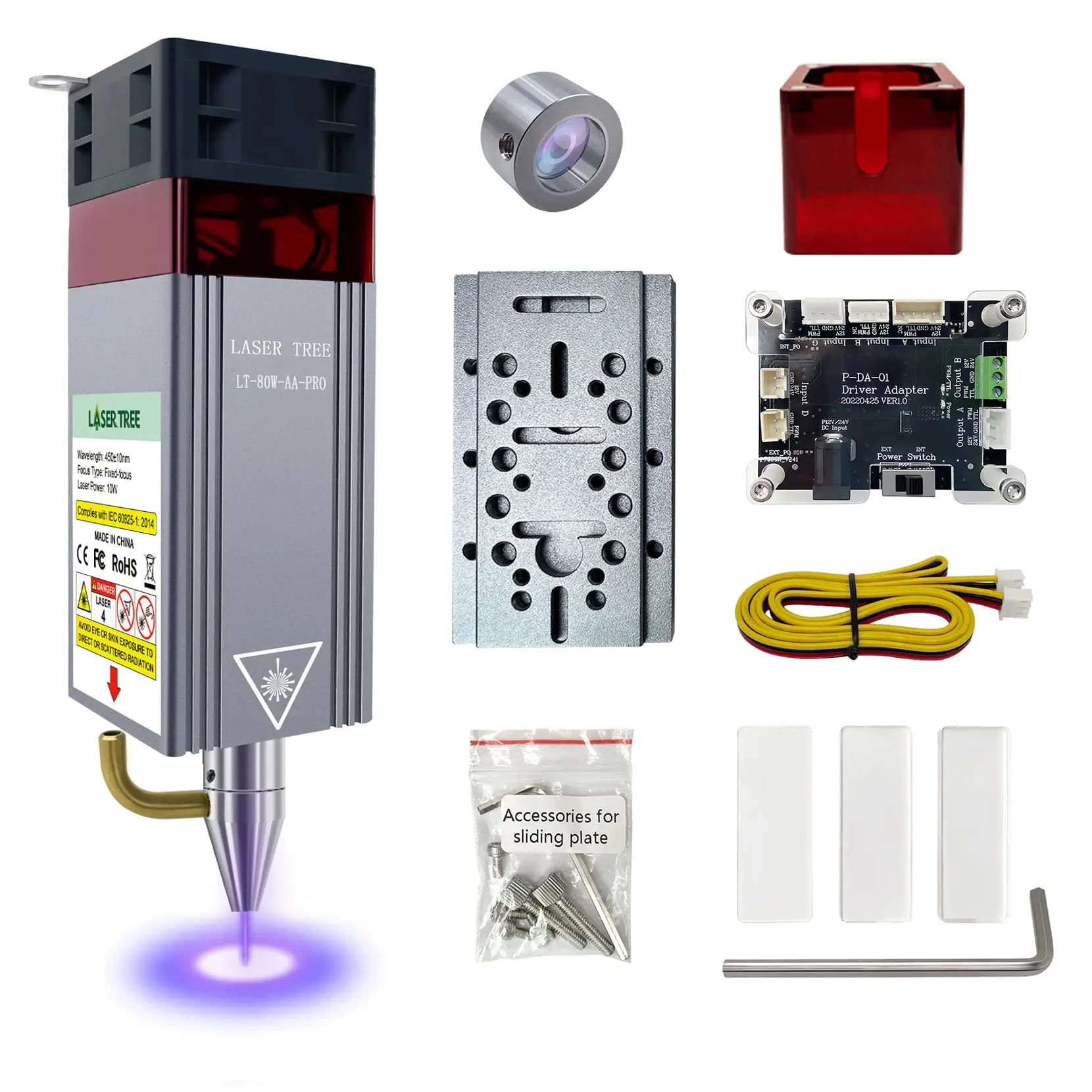 |
LASER TREE 10W Optical Power Laser Engraver Module Air Assist, Built-in FAC, Ultra-Fine Compressed Spot, Class 4, 24V |
93 | $203.02 | $120.0 | 4.3 | High-accuracy, integrated air assist, double FAC |
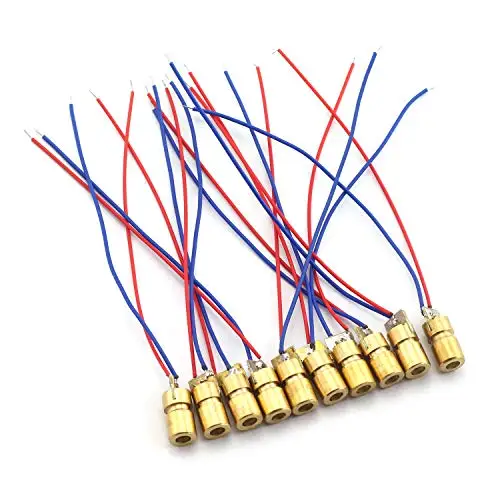 |
Tegg 10PCS Mini 650nm 5mW Red Laser Dot Diode Module Copper Head 5V | 26 | $6.41 | $0.32 | 4.2 | Bulk pack, basic copper head, low power |
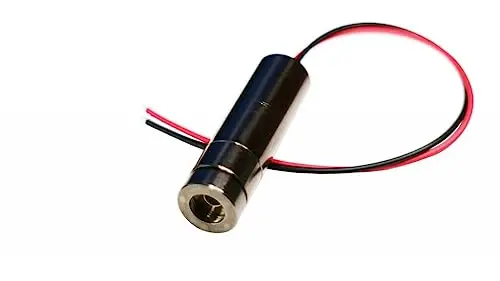 |
Laser Module Violet Purple Diode 405nm (DOT Laser) DC3-5V | 9 | $11.64 | $6.87 | 3.8 | Fine engraving, industrial dot, unique color |
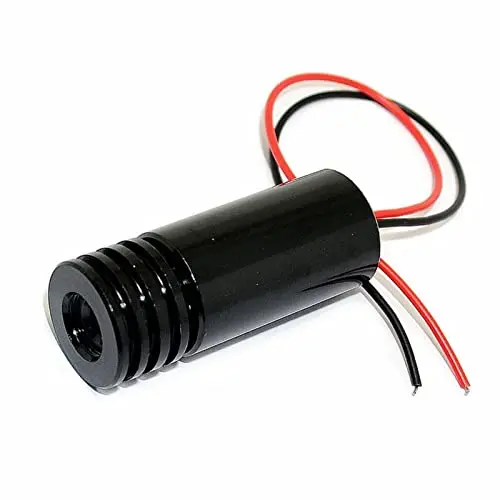 |
980nm 100mW IR Infrared Laser Diode Dot Module 5V with Driver in 18x45mm | 5 | $55.44 | $12.0 | 0 | Metal marking, IR wavelength, driver included |
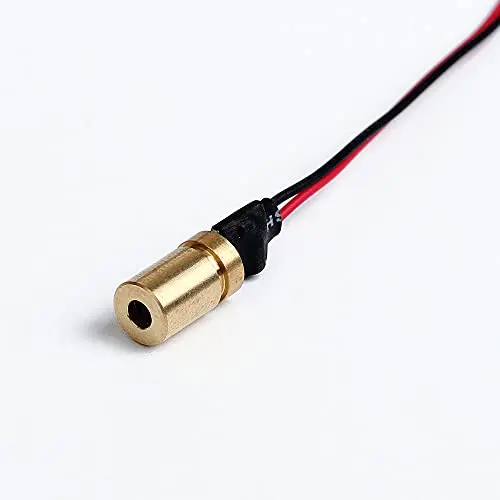 |
D6mm 980nm 1mW/5mW IR Dot Laser Module Mini Infrared Diode Industrial Grade APC Driver | 5 | $6.16 | $5.04 | 0 | Mini size, IR, APC driver |
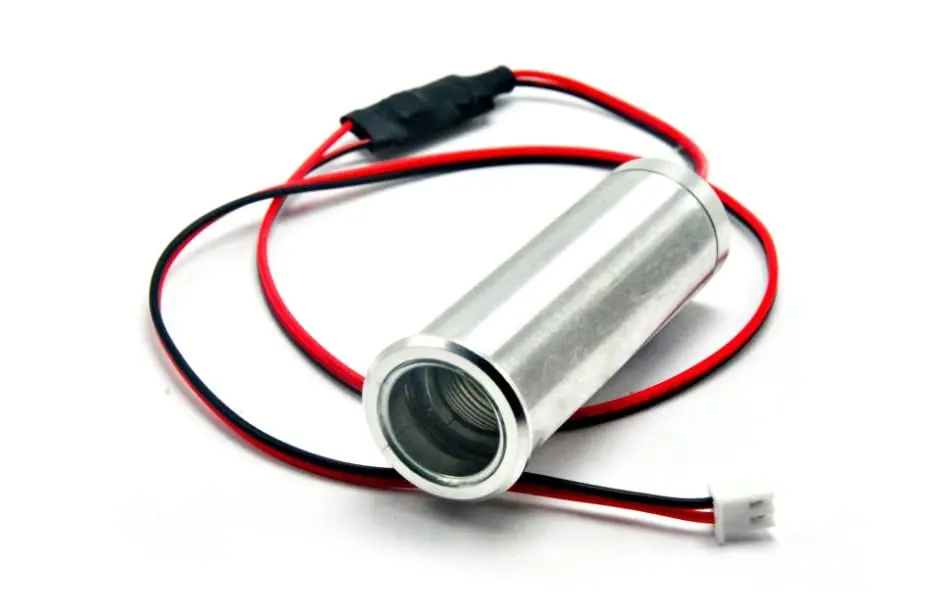 |
650nm 660nm Red 3.5-5V Fat Beam Dot Laser Diode LED Module DJ | 5 | $17.16 | $12.3 | 0 | Entertainment, fat beam, DJ use |
|
D6mm Small Size 780nm NIR Dot Laser Module 1mW/5mW Infrared Laser Diode 3V Head Industrial Grade APC Driver | 5 | $6.54 | $4.92 | 0 | Near-infrared, compact size, APC driver |
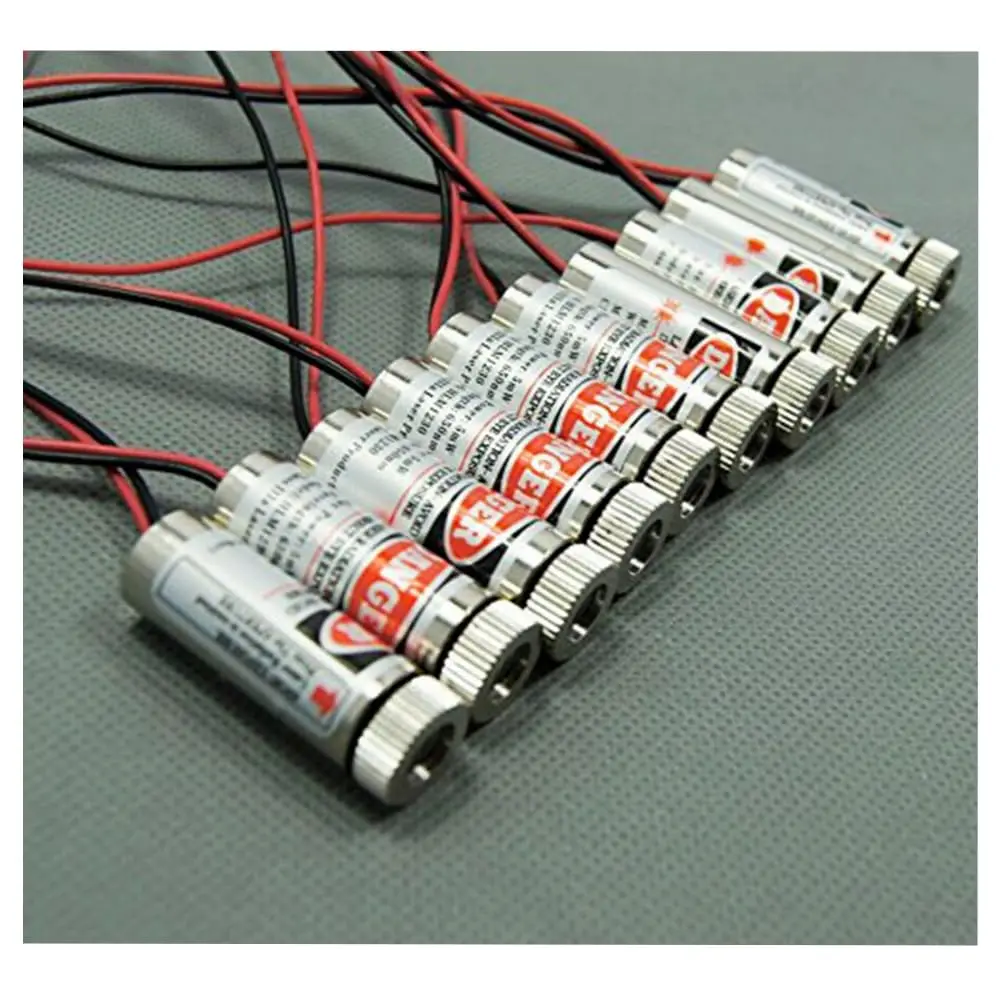 |
Focusable 650nm 5mw Red Laser Diode Cross Module Focus Adjustable Laser Head Light (Pack of 10) | 5 | $28.0 | $3.89 | 0 | Adjustable focus, cross pattern, batch pack |
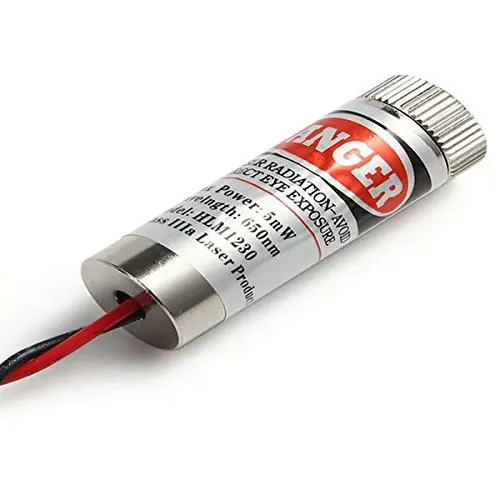 |
Focusable 650nm 5mw Red Line Laser Diode Module Focus Adjustable Laser Head Light Pack of 10 | 5 | $30.52 | $6.5 | 2 | Line pattern, adjustable, pack of 10 |
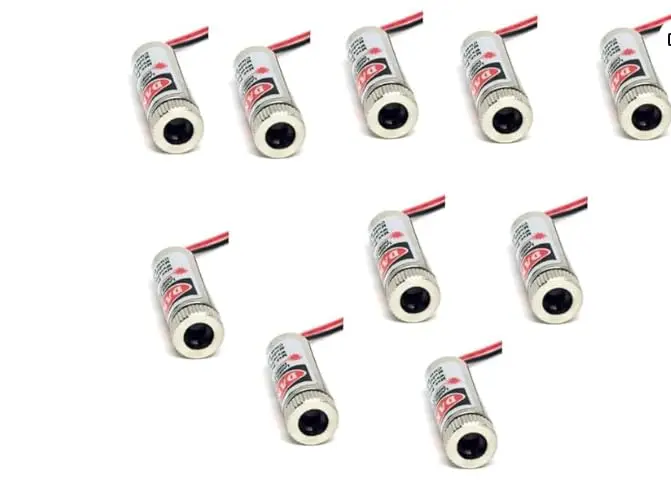 |
10PC 650nm 10mW Red Laser Diode Module Dot/Line/Cross Module (Line) | 5 | $22.7 | $8.38 | 0 | Batch, line/cross pattern, red laser |
Table data sourced from [1]
This product mix spotlights a bifurcated market: buyers pursue either high-value, feature-rich modules for commercial objectives or economical, low-power lasers for widespread prototyping and low-risk experimentation. The inclusion of air assist, adjustable focus, variant patterns (dot, line, cross), and solid star ratings solidifies best-seller status. International buyers should prioritize modules with robust review histories, available accessory kits, and precise technical documentation.
International procurement teams sourcing laser modules in 2026 face both unprecedented opportunity and persistent risks. The surge in module diversity and market access requires evolved buying strategies:
A conversational, collaborative relationship with the supplier, clear NDA/QA documentation, and access to post-sale technical support will reduce cost-of-failure and ensure a steady supply of premium modules for your manufacturing or distribution operation.
This comprehensive analysis confirms laser modules are not just commoditized components but strategic drivers of manufacturing, personalization, and innovation for 2026 and beyond. The industry’s fast pace, product variety, and cross-vertical applicability make category mastery essential for successful sourcing.
Ready to move forward, international buyers can confidently approach the laser module category as a platform for value creation, customized solutions, and market leadership—armed with robust intelligence and practical sourcing tools. Begin supplier screening early in Q1, leverage community review data, and build relationships with manufacturers offering scalability and responsive support. The next wave of laser innovation depends on strategic, detail-oriented procurement—unlock your competitive edge and lead your market in 2026.