All categories
Featured selections
Trade Assurance
Buyer Central
Help Center
Get the app
Become a supplier

Timer Bestsellers 2026: Sourcing Intelligence, Trends, and Consumer Insight Driving the Timing Device Boom

Timing the Moment: Why Timers Are More Relevant Than Ever in 2026

Timers are at the heart of modern routines, automating tasks from cooking and study sessions to home security, fitness training, and industrial automation. The year 2026 sees timers more embedded in daily life than any previous era—an intersection of consumer demand for convenience, precision, and efficiency. With smart homes becoming mainstream and digital habits steering both personal and work spheres, the humble timer has transformed from a basic kitchen accessory into a multi-functional, tech-enabled control tool. Several drivers underpin this heightened interest in timing devices:

  • Seasonal Trends: Post-holiday, buyers are prioritizing home and personal organization; January marked a spike in new productivity routines and digital interface upgrades [1][2].
  • Cultural Shifts: As remote work endures, people invest in timers to partition work and leisure, manage medication schedules, and monitor children’s study/quarantine routines [2][11].
  • Technological Integration: IoT and smart appliance adoption require reliable digital or programmable timers to coordinate lighting, heating, and appliances—especially as energy efficiency grows as a societal goal [7][8].
  • Gaming and Online Communities: Timers are also trending in game environments, lifestyle hacks, and digital productivity apps, fueling diverse consumer groups and viral online conversations [10]–[19].

What is a Timer? History, Technology, and Key Product Classifications for Professional Buyers

A timer is a device that measures, manages, or triggers an event after a specified duration. The concept dates back thousands of years—the hourglass was an early form, measuring time as sand slipped from chamber to chamber [5]. The modern timer landscape now spans physical hardware and embedded digital solutions, serving both consumer and industrial needs [6][9]. Classification of Timers:

  • Mechanical Timers: These use clockwork mechanisms and are widely employed in kitchen and desk settings. Set by dial, they are valued for reliability and battery-free operation. Mechanical kitchen timers originated in the 1920s [5][8].
  • Digital Timers: Driven by microprocessors, these allow precise countdown/up, multiple channels, loud alarms, and programmable applications. Digital timers dominate kitchen, gym, learning, and medication management sectors [1][2].
  • Timer Switches: Automated relay switches that control power supply to devices, supporting energy saving and security in home/office/industrial settings. They can be mechanical, digital, or smart (app-controlled) [7][8].
  • Software-Based Timers: Found in applications that require scheduled or conditional actions, from programming languages to industrial PLCs. These include on-delay, off-delay, and retentive timers [4][6].
  • Specialty Timers: Egg timers, cube timers, interval timers, multi-channel classroom timers, and timers integrated into consumer electronics (phones, wearables).
Classification Criteria for Buyers:

Community Voices and Cultural Influence: How Timers Shape and Reflect Consumer Experience

In 2026, the timer is not just a utility but a touchpoint in the broader digital lifestyle—a status reinforced across social channels and user forums. Gaming and Streaming Community:

  • In competitive and cooperative games, timers shape gameplay dynamics and intensity. When a match timer expires, narratives often shift dramatically, with players sharing strategies for managing countdown pressure, lamenting wasted seconds, or seeking game mechanics that offer more diverse “endings” [13][17][18].
  • Enthusiasts debate whether timers should trigger dramatic consequences (explosions, shockwaves) or simply end the action, reflecting strong sentiment about timer design and its impact on user satisfaction [13].
Digital Productivity and App Usage:
  • Timers feature heavily as productivity aids—used to regulate screen time, break monotony, and build healthier digital routines. Users share hacks involving app blockers, grayscale settings, and timer-based routines to defeat “doomscrolling” and boost focus. Morning routines increasingly depend on timers to set a positive tone for the day [16].
  • There is a growing appreciation for minimalism: A simple timer can act as a “lever,” incentivizing the bookending of busy days and encouraging intentional use of technology [16].
Personal Habits and Relationships:
  • Timers now play a quirky role in relationship management, as revealed in forums discussing how partners use phone timers to regulate conversation or resolve household negotiations [11]. Reactions range from amusement to debates over respect and boundaries, highlighting the timer’s cultural reach.
  • In physical settings, timers optimize queue management and fairness—seen in gaming treasure islands or modded events where time-limited access encourages participation and equal opportunity [12][14].
Key Takeaway:

Market Trends and Purchasing Intelligence: Deep Dive into the Timer Segment in Early 2026

The timer industry is buoyed by reliable demand across home, kitchen, gym, classroom, and office / industrial settings. Assessment of live sales data for Digital Timers for Kitchen, Gym, and Games and Large Display Timers and Clocks for Home and Office reveals nuanced trends that international buyers can translate into practical sourcing moves.

Sales Trends and Consumer Behavior: Insights from Amazon Trends Data

Metrics from the past six months reveal:

  • Digital Timers for Kitchen, Gym, and Games: Average rating of 4.45, search volume averaging 143, stable demand anchored in cooking, study, and medication management. Adults are the primary users (47.76%), with kitchen/cooking leading at 46.3%. Peaks in search activity occurred in February (+9.24%) and July (+7.25%)—likely correlating with seasonal events (New Year routines, summer camps/training boosts) [1].
  • Large Display Timers and Clocks: Average rating of 4.15 (lower than digital kitchen timers), but search volume much higher at 255.69, with parents and elderly representing the largest demographics. Bedroom and home usage dominate (43.61% and 29.49% respectively). April saw a dramatic 44.6% month-on-month search volume rise, signaling opportunities tied to family, health, and home automation [2].

Bar Chart: Sales Volume Trends (Aug 2025 – Jan 2026)

Comparison of average monthly sales for Digital Timers and Large Display Timers, showing seasonality and volatility between Aug 2025 and Jan 2026

The bar chart above highlights Digital Timers consistently outsell Large Display Timers, though the latter saw a brief surge in September. Both categories decline over the holiday to post-holiday period, yet maintain foundational sales levels. These cyclical trends should inform stocking cycles and promotional timing for distributors and retailers.

Sentiment Analysis: Key Review Keywords and Quality Insights

Strong consumer reviews in key timer segments revolve around:

  • Sturdy construction (36.5%), User friendliness (17.5%), Large capacity (10.2%), and High quality (6.6%) [1].
  • Negative themes focus on weak magnets (38.9%), defective products (21.9%), and short lifespan (3.7%). Price sensitivity (14.9% negative) is notable among entry-level buyers.
easy-to-read displayssimple setupexcessive brightness at nightstopped workingdifficult to set2

Hot Selling Analysis: Detailed Review of the Top 10 Amazon Timer Products

A granular analysis of retail behavior is possible via the latest top-selling Amazon timer products. Tables below show a robust mix of digital, mechanical, cube, and multi-channel models, reflecting the diversified appeal.

Image Name & Features Avg. Rating Latest Sale Volume Retail Price Wholesale Price
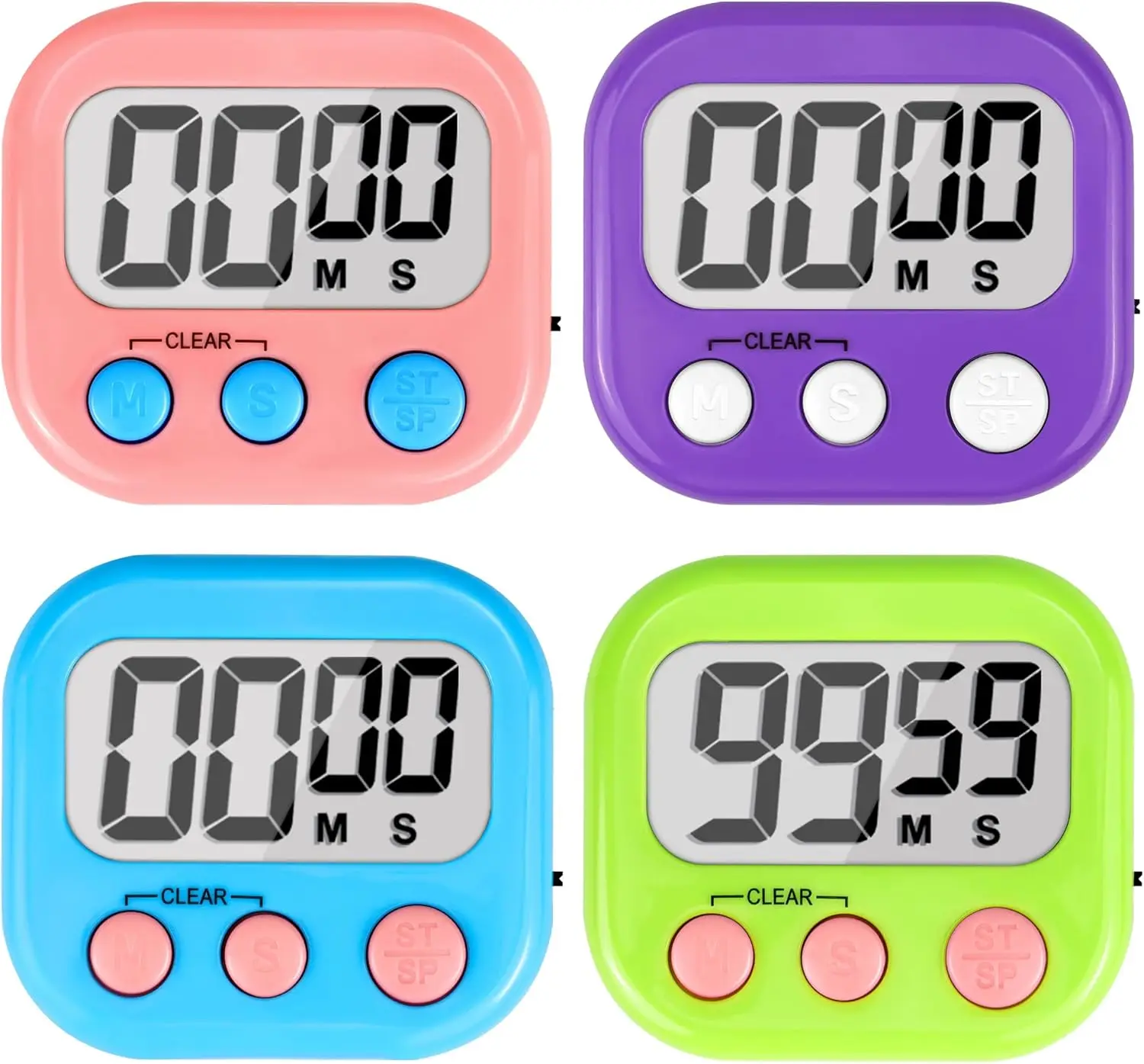
Digital Timer for Kids Teacher Supplies Classroom Timer Digital Timer for Kids Teacher/Classroom/Kitchen (4-pack colors)
Study, work, exercise, learning management.
4.5 1342 $7.17 $0.81
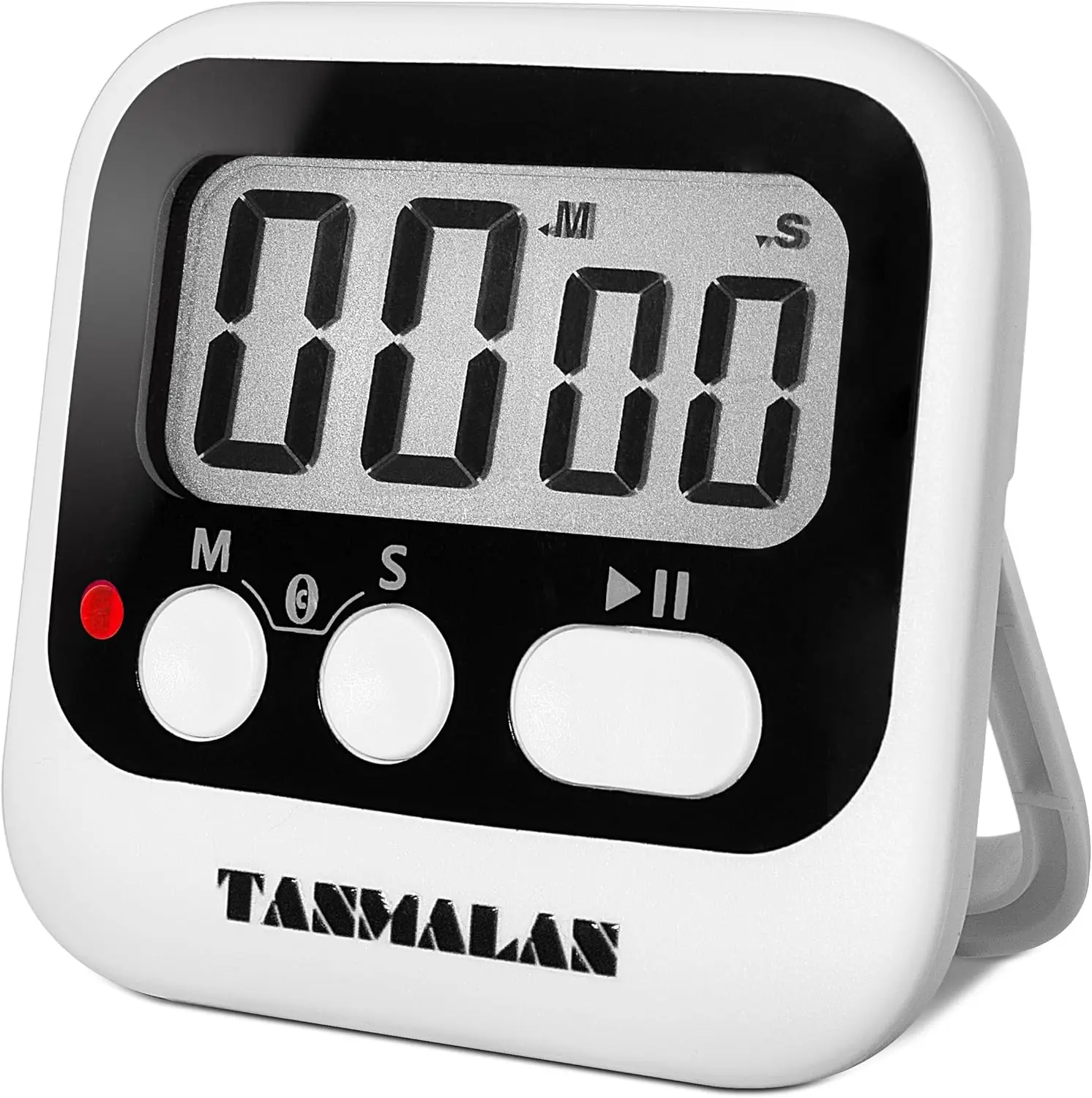
Easy to Use Magnetic Kitchen Timer Easy to Use Digital Kitchen Timer, Magnetic
Black, compact, user-friendly for kitchen/desk.
4.4 478 $4.99 $0.92
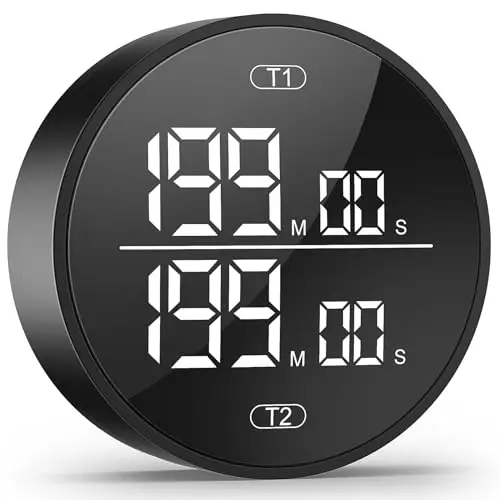
Dual Digital Kitchen Timer for Cooking Dual Digital Kitchen Timer
199 min, countdown/up, big digits, rotary control, multiple volumes/brightness.
4.4 405 $11.64 $5.27
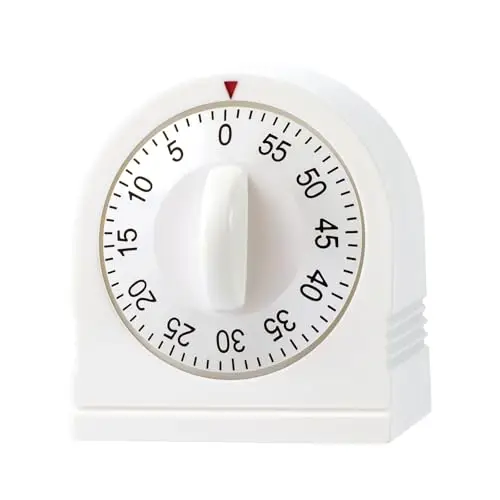
Mechanical 60 Minute Wind Up Kitchen Timer Mechanical 60 Minute Wind Up Kitchen Timer
Loud alarm, battery-free, manual desktop use.
4.5 304 $8.99 $3.61
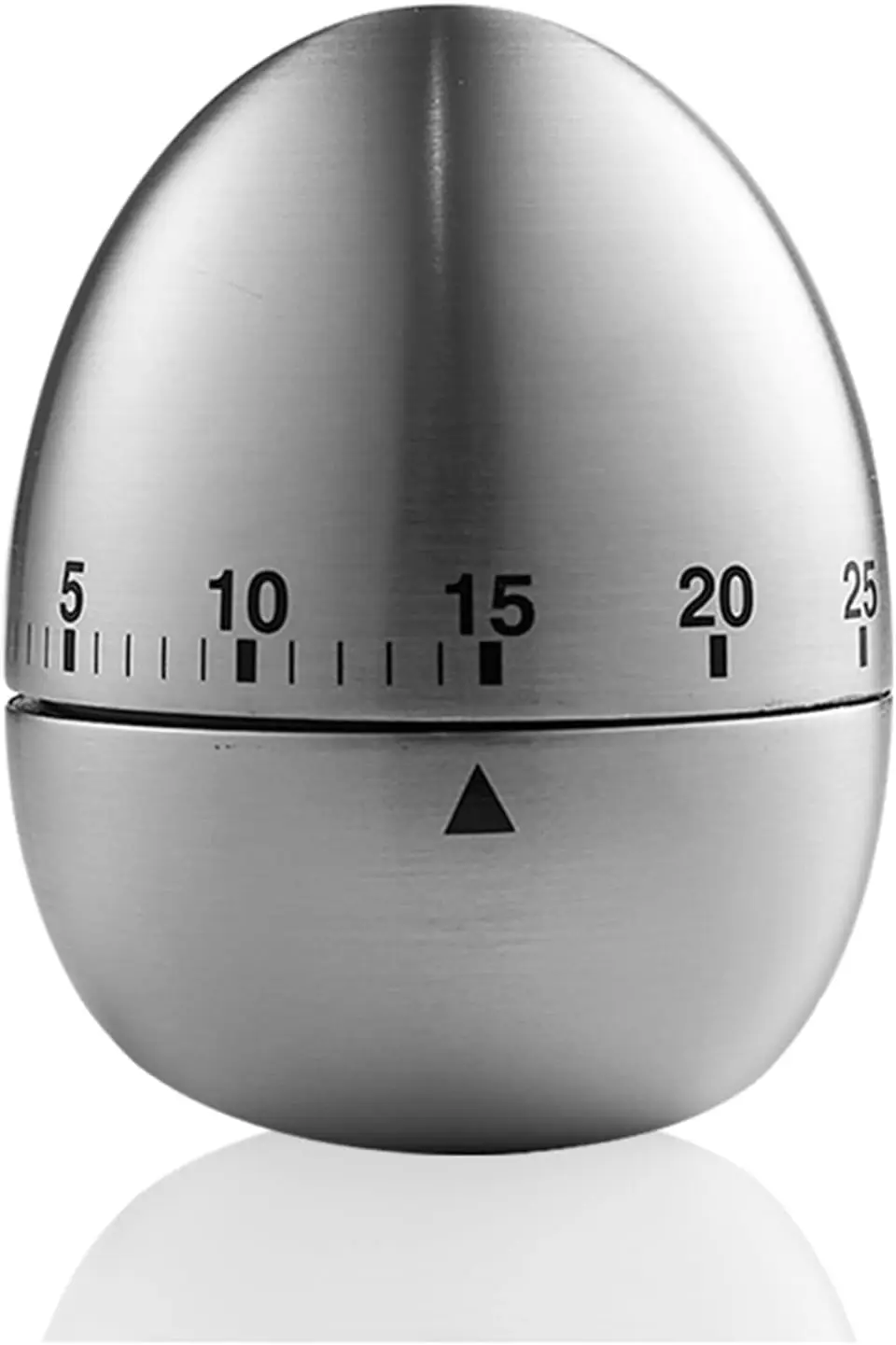
Mechanical Egg Timer for Cooking/Kids/Saunas Egg Shape Mechanical Timer
For eggs, sauna, classroom/kids, visual timer.
4.3 255 $11.18 $2.29
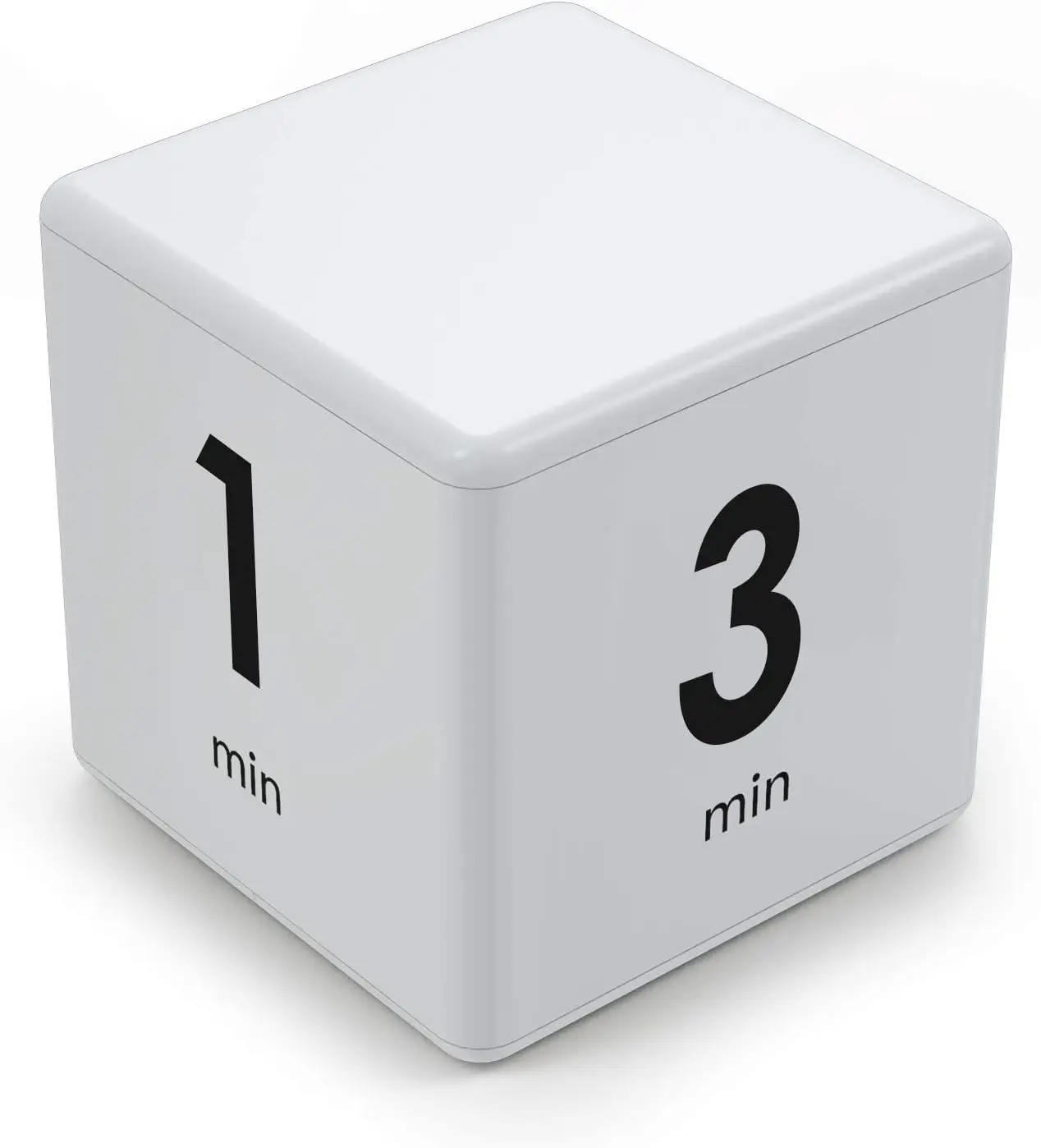
Cube Timer Gravity Flip Cube Timer Pretmess Gravity Flip
Time management, preset durations (1–10 min).
4.2 226 $8.92 $2.65
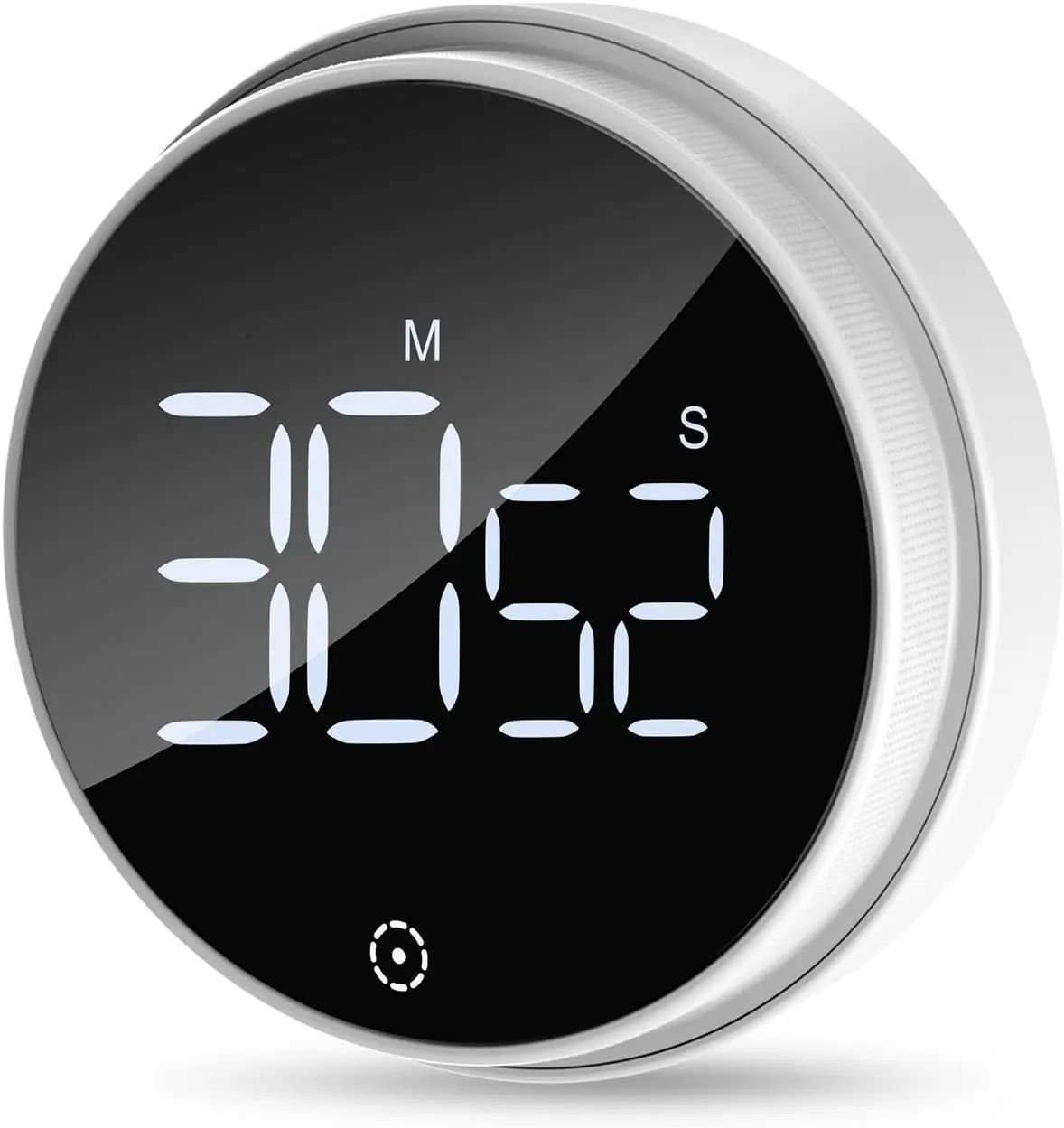
Ankilo Digital Kitchen Timer LED Display Ankilo Digital Kitchen Timer LED Display
Magnetic, adjustable volume, office/cooking/study.
4.4 162 $7.99 $4.6
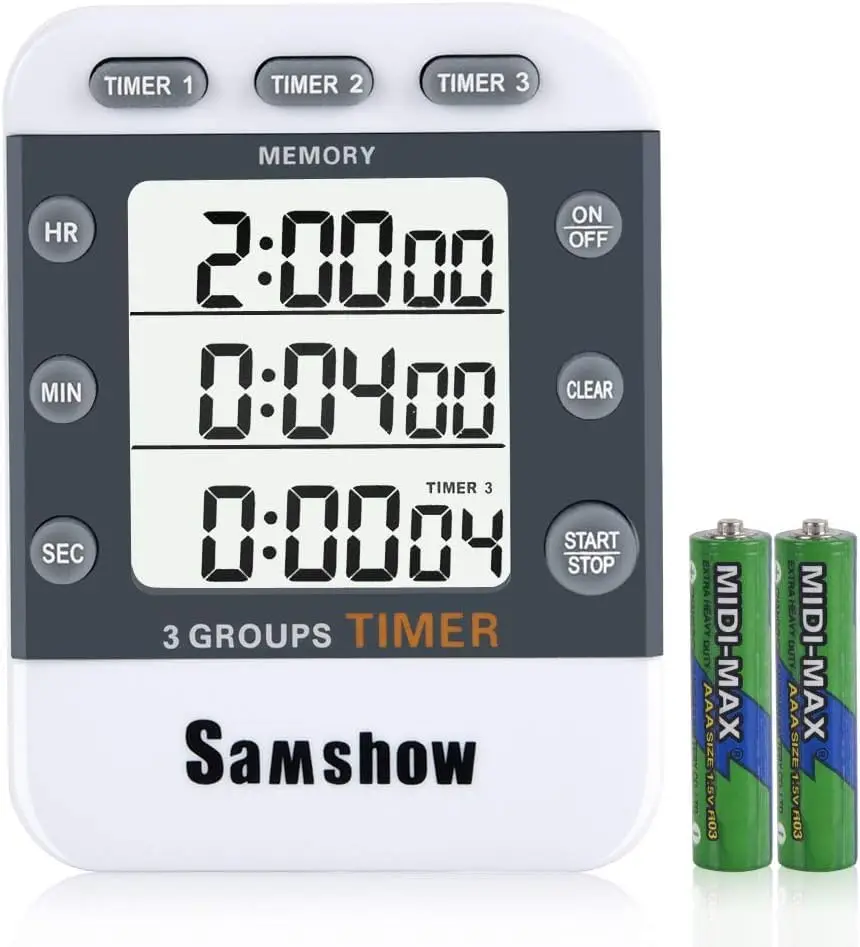
Digital Dual Triple Kitchen Timer Digital Dual Triple Kitchen Timer
Three channels, count up/down, adjustable alarm.
4.3 118 $11.45 $5.16
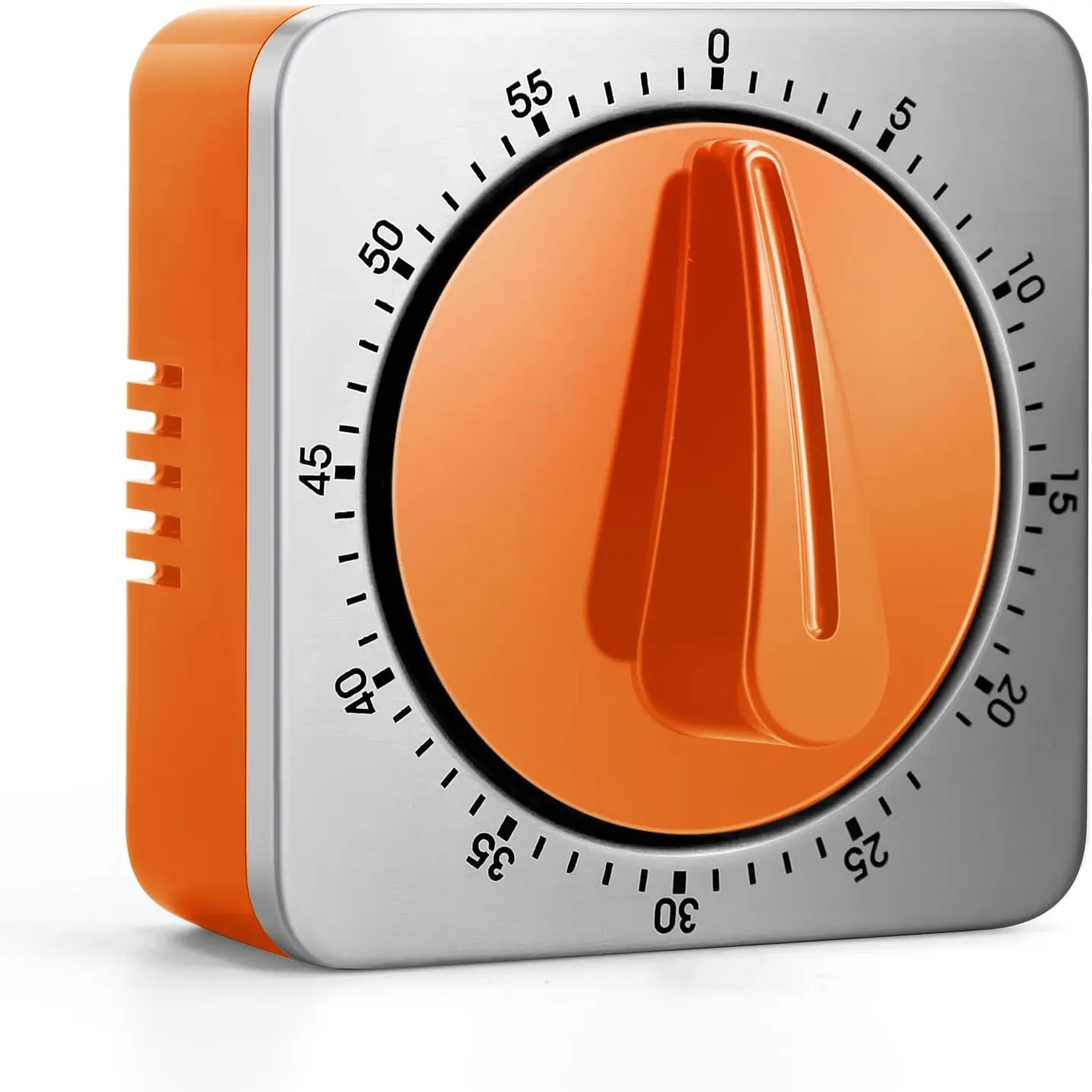
Orange Mechanical Desk Timer Stainless Steel Orange Chef Mechanical Desk Timer
Loud alarm, magnetic backing, stainless steel body.
5.0 55 $9.99 $3.4
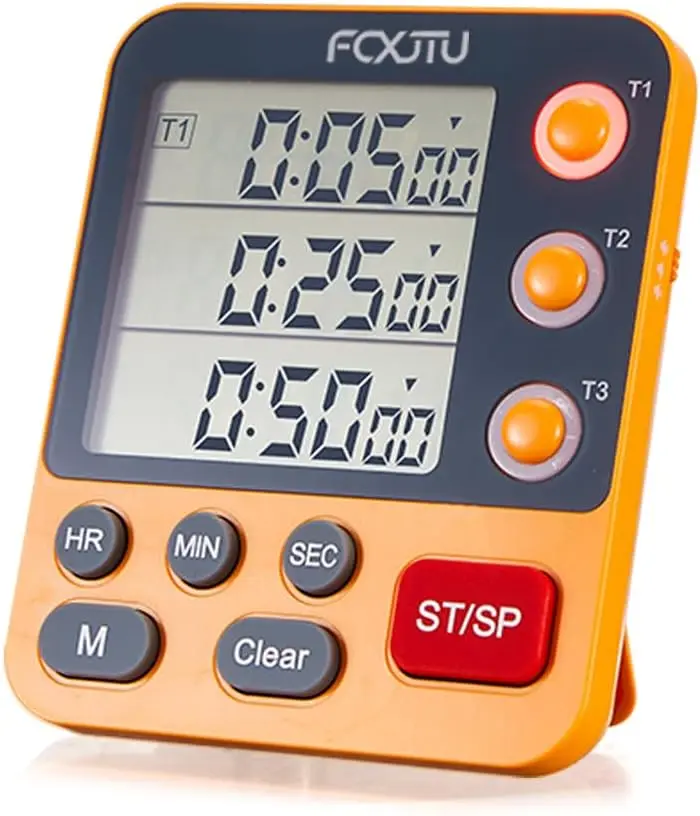
FCXJTU Digital Triple Kitchen Timer FCXJTU Digital Triple Kitchen Timer
Three channels, loud alarm, large display, battery included.
4.4 16 $14.55 $5.74

Table data sourced from [3].

Analysis: The top-selling SKU—classroom/kitchen 4-pack—boasts the highest volume, low price point, and strong buyer ratings, making it ideal for bulk procurement in educational/child-focused segment. Multi-function products (dual timers, cube, triple timers) target niche groups needing precision or study/fitness interval management. Mechanical wind-up and egg timers remain perennial favorites among traditionalists. The presence of models with magnetic, adjustable, loud, and feature-rich attributes implicates a preference for versatility and user-centric design.

From Source to Shelf: Sourcing Strategy and Risk Mitigation for 2026 Timer Buyers

Effective procurement of timers in 2026 requires a balance of technical knowledge, supplier evaluation, and a clear understanding of regional standards and consumer preferences.

Supplier Evaluation Criteria:
  • Certifications: Prioritize suppliers with proven compliance for CE, RoHS, FCC, and country-specific electrical approval for electronics and mechanical components [7][8].
  • Production Capacity: Assess minimum order quantity, production lead times, and ability to scale up for seasonal surges noted in sales cycles [1][2].
  • Quality Systems: Demand proof of strong QC procedures—batch testing of timers for accuracy, durability, alarm volume, and magnet strength where applicable. Review for periodic defect analysis to avoid common pitfalls like short lifespan and magnet weakness [1].
Key Quality Control Points:
  • Alarm Volume/Brightness: Verify that alarms meet user needs for audibility and display clarity. Nighttime display should balance brightness and readability ([2], negative sentiment tags).
  • Mechanical Durability: Test lifespan of mechanical winds, performance under heavy use, and materials (plastic vs. metal finishes).
  • Battery Reliability: For digital categories, ensure easy-get battery replacements and check standby/power-off protocols to mitigate lifespan concerns [2].
Logistics and Compliance:
  • Packaging: Ensure robust, retail-ready and eco-friendly packaging. Magnetized models must ship with protection to meet air/sea transport safety standards.
  • Shipping and Lead Times: Time orders to coincide with retail/organizational peaks (e.g., post-holiday, school term starts, summer fitness season [1][2]).
  • Certification and Documentation: Source all compliance paperwork, including user instructions and regional adaptation manuals. For smart/switch timers, require app certification and security validation [7][8].
Common Pitfalls and How to Avoid Them:
  • Unvetted suppliers may offer attractive prices but fail on quality, warranty, or certification—impacting long-term reputation.
  • Generic designs are less likely to succeed in niche or high-expectation markets; favor customized, feature-dense, or region-specific models ([1] recommendation).
  • Neglecting user-centric features (alarm strength, visibility, ease of setup) leads to negative reviews and low repeat purchase rates—keep the voice of end user central to product selection ([1][2]).
Competitive Advantages of Sourcing This Category:
  • Diverse application: Timers fit into education, healthcare, fitness, food service, industrial, and consumer electronics.
  • Stable demand with periodic spikes allows for balanced inventory management and agile response marketing.
  • Room for incremental innovation with low production cost—easy wins from improving existing designs, such as adding stronger magnets, better displays, or app integration ([1][2]).

Strategic Moves for Timer Buyers: Synthesis, Recommendations, and Action Steps for 2026

The global timer market in 2026 offers a fusion of traditional reliability and digital innovation, driven by rapid shifts in consumer culture, tech adoption, and lifestyle prioritization. From in-depth sentiment analysis and product classification to reviewing trending SKUs and the lessons learned from social conversations, several actionable opportunities emerge for procurement teams and enterprise buyers:

  • Invest in Feature-Rich, User-Centric Models: Data shows strong recurring demand for digital timers with adjustable alarm volume, clear displays, robust magnets, and multi-channel/dual/triple functions. Mechanical models still play a niche but steady role ([3]).
  • Monitor Seasonal Peaks: Search and sales spikes align with renewed productivity cycles, family routines, school terms, and fitness booms. Stock accordingly and consider promotional cycles around these events ([1][2]).
  • Leverage Sentiment Intelligence for Product Development: Address recurring negatives such as magnet weakness, difficult setup, and short lifespan to ensure high ratings and reviews ([1][2]).
  • Follow Compliance and Sourcing Best Practices: Prioritize certified suppliers with quality control transparency, robust logistics capabilities, and the ability to deliver region-appropriate packaging/documentation. Avoid shortcuts in QC or certification as these erode long-term trust ([7][8]).
  • Be Responsive to Cultural Trends: Track rapid changes in use-cases from gaming, streaming, productivity, and relationship management forums to anticipate future product features and marketing angles. Offer customization for B2B buyers in education, wellness, and smart home sectors based on these insights ([10]–[19]).

Outlook: The next 6–12 months will reward agile buyers who combine robust supplier validation, strategic timing, and keen observation of social and consumer trends. International buyers and procurement professionals are encouraged to place emphasis on quality, customization, and compliance in every sourcing decision—transforming the simple timer into a high-margin, enduring best-seller for 2026 and beyond.

Ready to take advantage of these trends and source the best timers for your market? Let the insights above guide your next procurement cycle, driving both efficiency and satisfaction across your portfolio.

Notice