
All categories
Featured selections
Trade Assurance
Buyer Central
Help Center
Get the app
Become a supplier
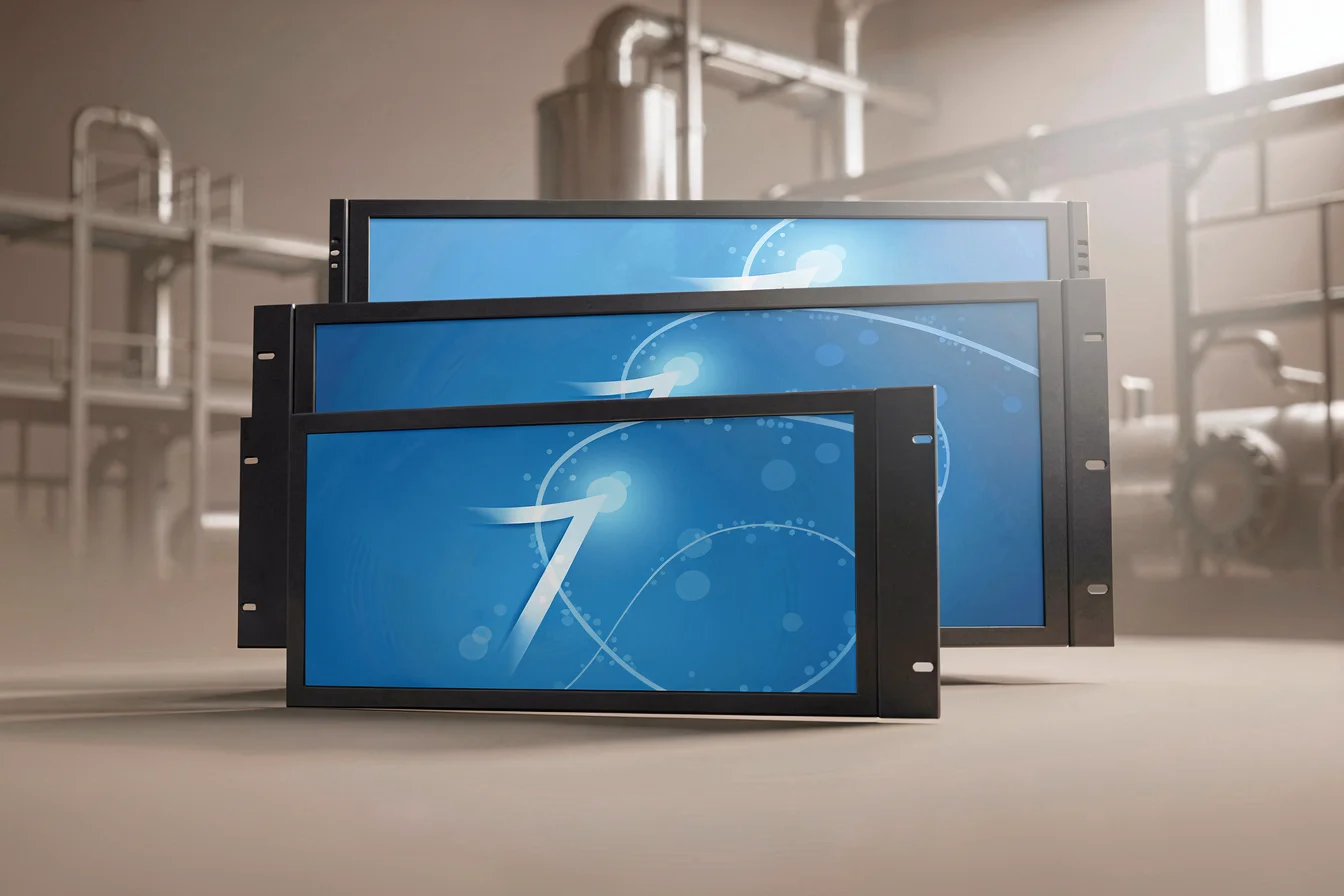
Market demand for 21 inch LCD panel remains stable, with intensified buying both from value-focused consumers and specialized industrial users[1][2]. The procurement environment is favorable, with multiple OEMs offering robust spec options and certifications[3][4]. However, buyers should strategically monitor the segment due to active competition from 24-inch and mini-LED panels, which threaten market share[1].
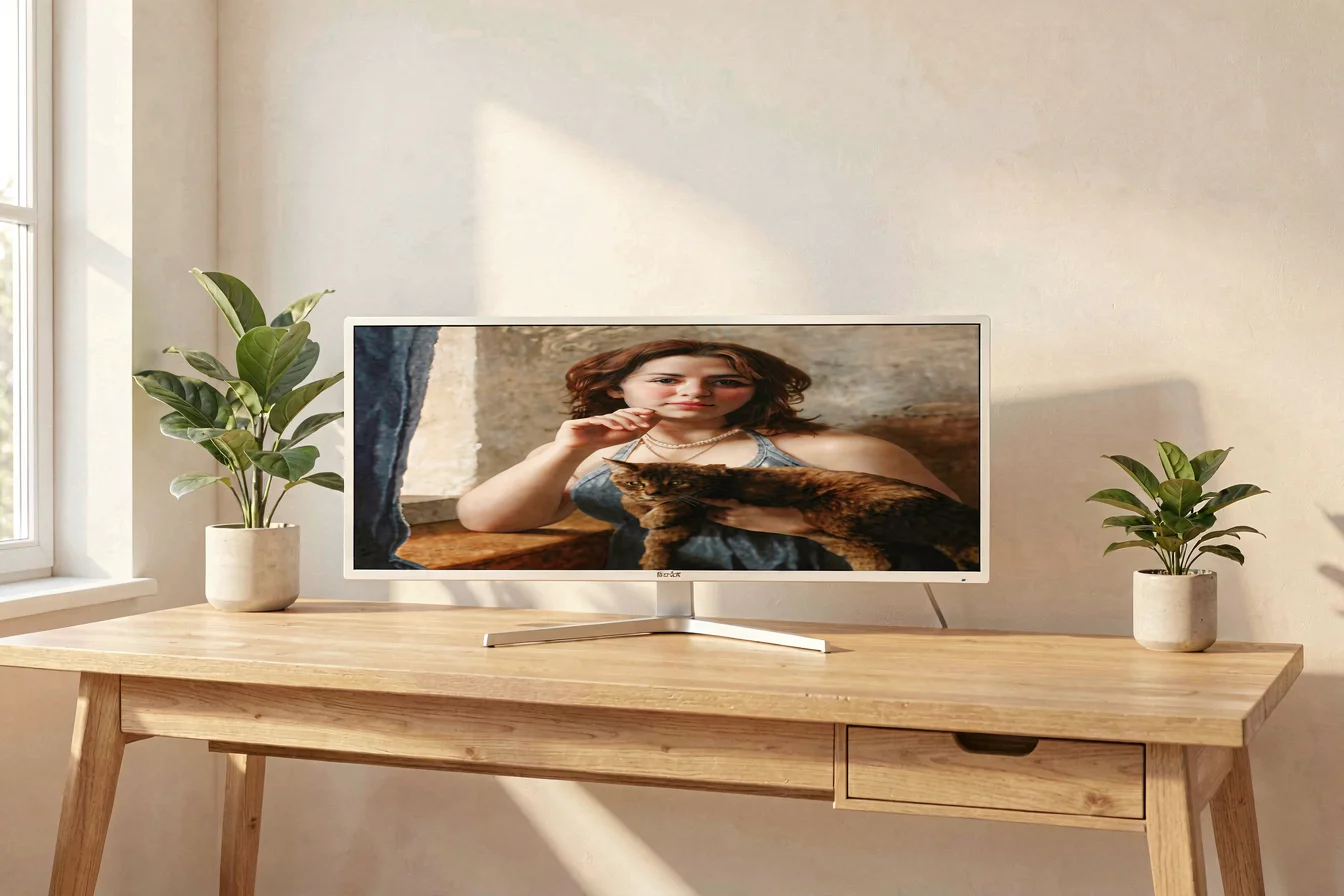
The 21 inch LCD panel category has surged in both budget display and industrial PC contexts, driven by heightened demand for cost-effective, compact monitors and specialized panel PCs with integrated touch, ruggedization, and wide temperature support[4][5]. This trend reflects a convergence of consumer, commercial, and industrial buying — B2B buyers face unique challenges in balancing price, durability, and display technology types (IPS vs VA, matte vs glossy, etc.). High-brightness and anti-blue-light models are particularly popular for workplace and signage environments[2]. Selection factors include mounting options (VESA, panel), port count, refresh rate, display color coverage (sRGB, NTSC), and regulatory compliance (FCC, CE, RoHS). Buyers must align panel selection with installation environment, application (office, kiosk, signage, industrial control), and downstream integration requirements.
| Trend Factor | Current Status | Impact on Buying Decision |
|---|---|---|
| Spec Diversity (IPS vs VA, TN) | Expanding, OEMs offer full range | Critical for use-case targeting |
| Price Band | USD 19.99–249.99 | Wide, enables both budget and premium sourcing |
| Mounting/Integration Features | VESA, panel-mount, industrial options | Essential for factory, kiosk, signage buyers |
| Regulatory Compliance | FCC, CE, RoHS widespread | Mandatory for B2B procurement and exports |
Buyers must prioritize spec matching, environment readiness, and regulatory compliance to optimize value when sourcing 21 inch LCD panel .
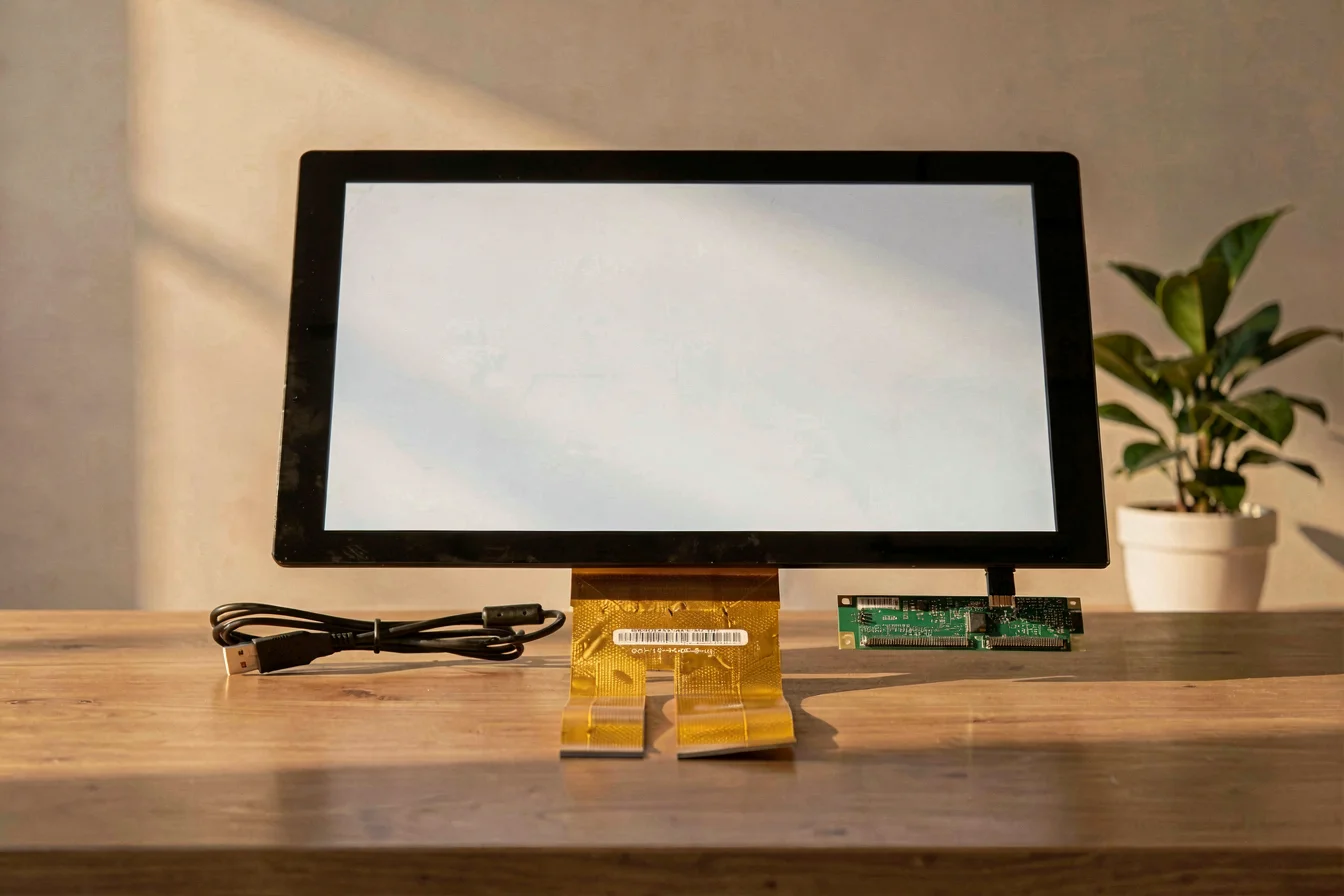
Supply chains for 21 inch LCD panel are resilient, buoyed by stable global production hubs and strong OEM/ODM support. Price volatility is moderate: entry-level models continue to drop, but premium and industrial variants are stable or rising due to component and integration requirements[3][4]. Key drivers include increased office and workstation deployments, industrial automation, signage rollouts, and touch-screen upgrades, especially in emerging markets. Competitive pressure from 24-inch and mini-LED segments is intensifying, but 21-inch occupies a unique niche for compact, cost-effective, and legacy deployments. Macro risks include panel glass supply fluctuation, IC chip shortages, and logistics disruptions due to geopolitical friction. Buyers should hedge contracts for high-volume deals and prioritize flexible suppliers.
| Market Dimension | Current Status | Impact Level |
|---|---|---|
| Panel Supply | Stable, diversified OEMs | Medium, low supply risk |
| Component Prices (IC, Glass) | Semi-volatile (IC chip risk) | High for industrial panels |
| Tech Competition (Mini-LED, OLED) | Rising, but 21” still a niche | Medium, possible substitution risk |
| Logistics | Mostly stable, mild delays | Low, except bulk/industrial shipments |
Sourcing strategies should focus on product-positioning within legacy applications and avoid excessive inventory of pure consumer panels as competition from mini-LED grows.
Global search volume of 19 inch, 21 inch, and 24 inch LCD panels (Mar 2025 – Feb 2026)
Global search demand for 21 inch LCD panel spiked sharply in September and November 2025, reflecting seasonal consumer upgrades and possibly business bulk buying cycles[1]. 21-inch and 24-inch models remain closely matched, with 24-inch slightly outpacing overall volume. Buyers should time procurement closely after peaks, when inventory turnover and price promotions typically follow demand surges.
Reddit communities reflect nuanced enthusiasm for 21 inch LCD panel . DIY users often debate panel swaps, with posts emphasizing repair difficulty, value, and modding potential for creating custom displays or side panels for PC builds[6][7][8][9][10]. Recurring themes include: “panel-only replacement is cheaper but hard,” “extra monitors for custom setups are fun,” and “brightness and integration matter most.” TikTok video themes center on quick-install guides, creative workspace upgrades, and high-brightness screens, resonating strongly in emerging IT setups. Sentiment is broadly positive, with some anxiety over install difficulty and safety concerns (especially in DIY mods) — cultural reception favors budget efficiency and project flexibility.
“The most difficult part of this repair is removing the LCD panel. The repair difficulty is quite high, so I wouldn’t recommend attempting it without proper skills. However, if you manage to do it successfully, it can be a much cheaper way to fix the screen.” [6]
| Dimension | Reddit Insights | TikTok Insights |
|---|---|---|
| DIY Repair | Cheaper but complex, skill required | Quick-fix and upgrade hacks trending |
| Workspace Integration | Enthusiasm for extra monitors, panel swaps | Creative desk setups highlighted |
| Brightness/Color | Critical concern in build and upgrades | High-brightness panels drive engagement |
| Safety/Install Anxiety | Worry about electrical safety and soldering | Minimal, but occasionally flagged in comments |
Community enthusiasm signals strong project-based demand, but B2B buyers must account for durability and install complexity beyond consumer excitement.
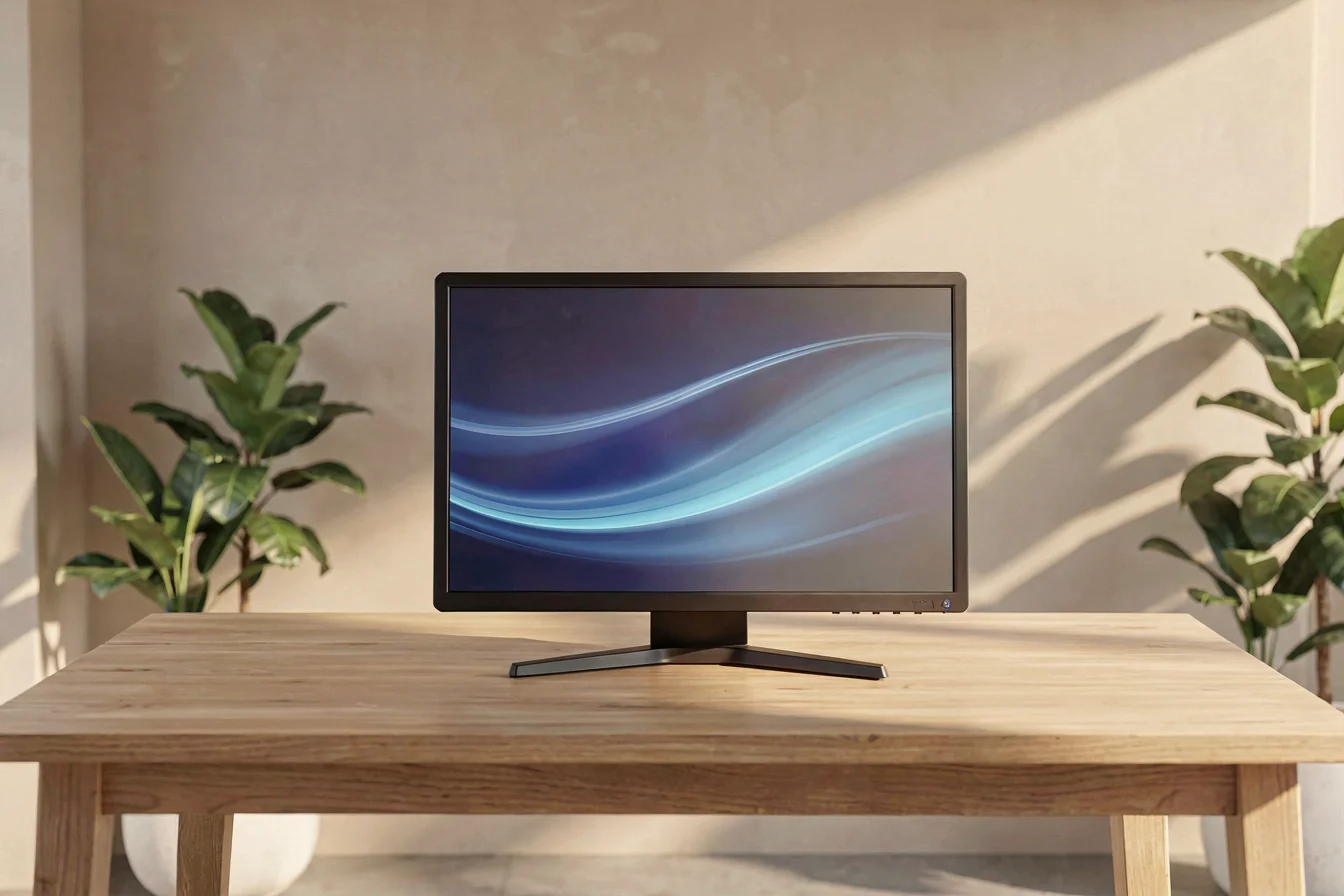
Amazon’s top-selling 21 inch LCD panel products span budget monitors, industrial panels, touch overlays, and anti-blue-light filters. The segment is animated by versatility: everyday work/gaming displays as well as parts for repair and industrial use. Top sellers feature Full HD (1920x1080), IPS/VA technology, 75–100Hz refresh rates, thin bezels, VESA, and robust anti-blue-light options — price points range from USD 19.99 (bare panel) to USD 249.99 (high-brightness outdoor monitor)[2]. Premium industrial and touch panel variants dominate in specialized verticals. Buyer reviews reward clarity, setup ease, color fidelity, and affordable pricing, but note weaknesses in port count, tilt range, and factory calibration.
| Image | Name | Price | Rating | Key Features |
|---|---|---|---|---|
 |
ArcticPro 22 inch 100Hz Monitor | $67.99 | 4.5 | Full HD, 100Hz, anti-blue light, VESA mountable |
 |
ViewSonic VS2247-MH 22 Inch Monitor | $79.99 | 4.4 | Full HD, FreeSync, ergonomic stand, HDMI/VGA |
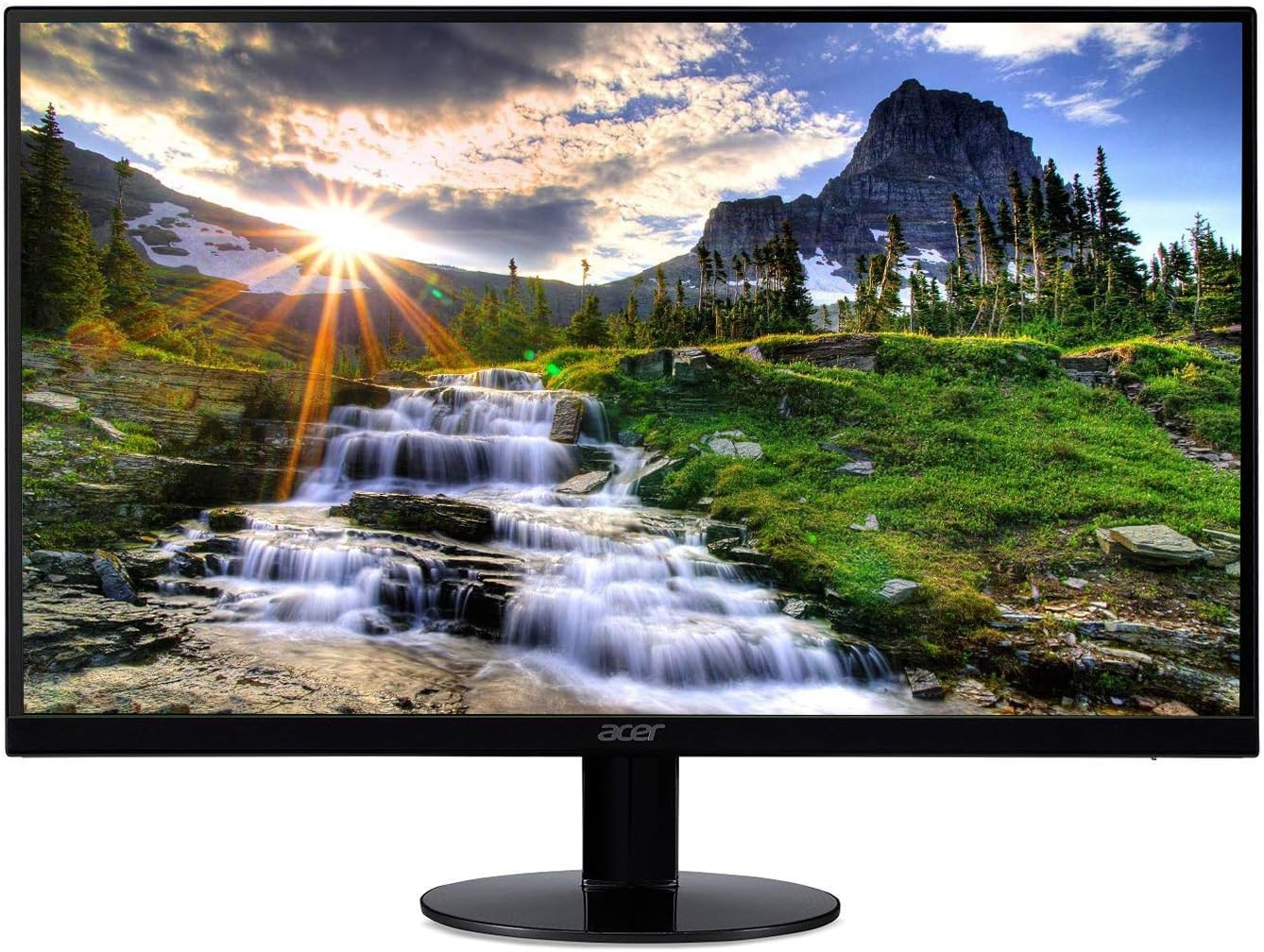 |
acer 21.5 Inch Monitor SB220Q bi | $97.99 | 4.6 | IPS, Full HD, 75Hz, zero frame, HDMI/VGA |
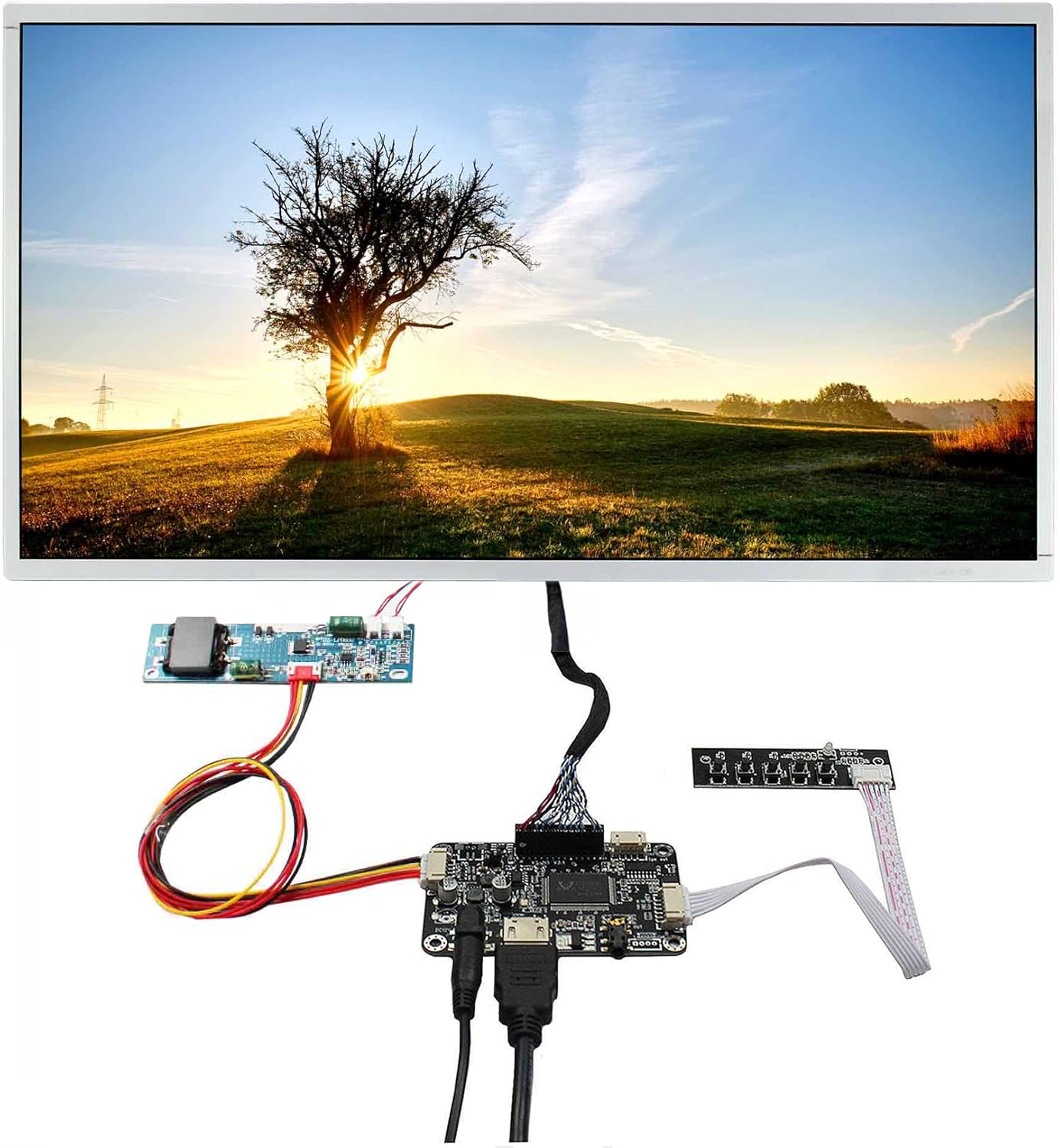 |
VSDISPLAY 21.5" Outdoor Monitor | $249.99 | 5.0 | 1000 nit, IPS, audio, LVDS, industrial |
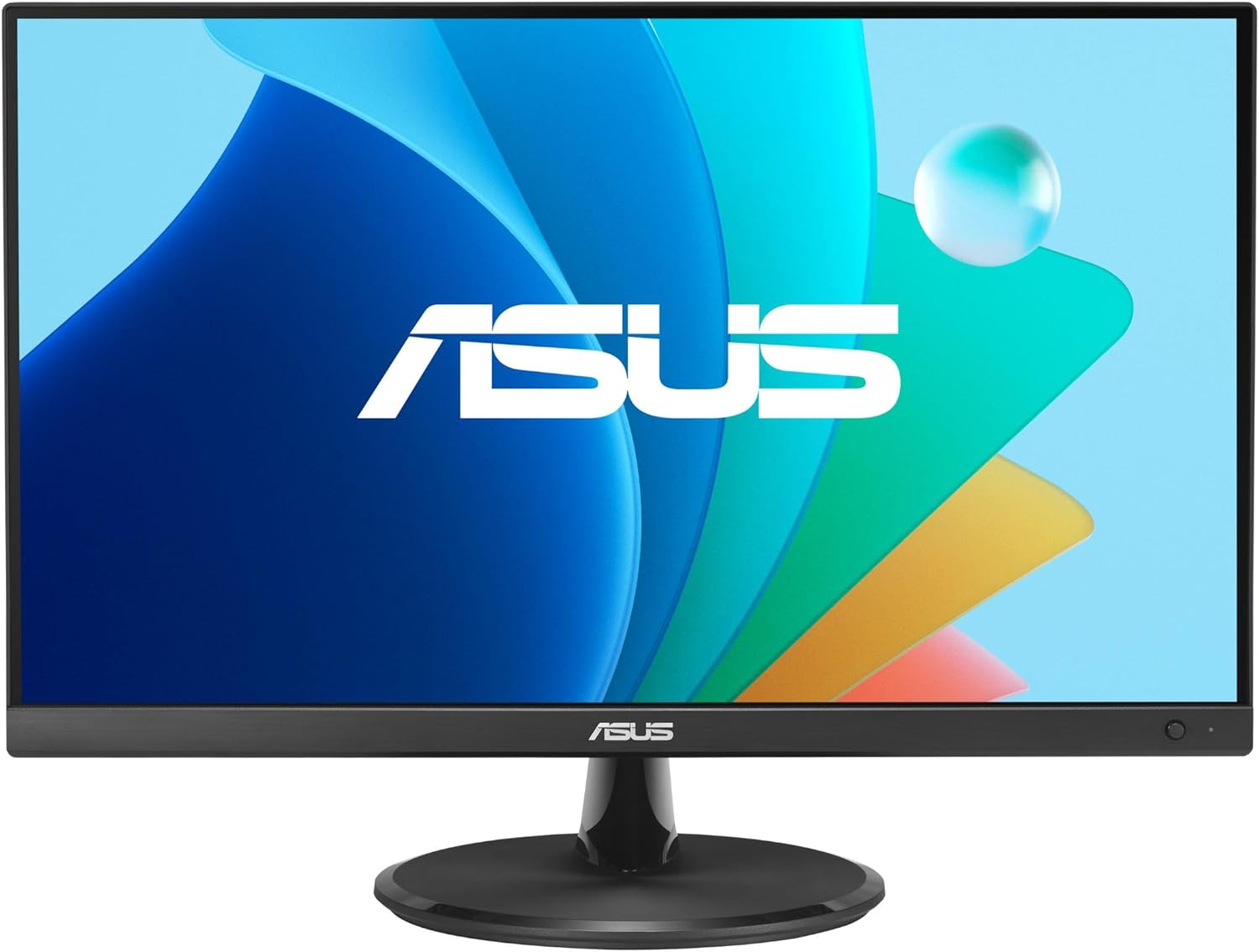 |
ASUS VP229Q 21.5” Monitor | $119 | 4.4 | IPS, FreeSync, Eye Care, HDMI/DP/VGA |
Buyers overwhelmingly praise color vibrancy, clarity, value, and easy installation, while complaints focus on port limitations, build quality, tilt limitations, and calibration irregularities. Anti-blue-light features and support for VESA mounting are consistently valued, especially in work-from-home and office setups. “Plug n play” reliability is noted on touch-screen and high-brightness industrial models.
“We bought this monitor as a Christmas gift for our daughter, and she absolutely loves it! The screen is clear, bright, and the picture quality is excellent. It was easy to set up, and it works perfectly for her schoolwork, gaming, and everyday use. Great quality for the price — highly recommend!” [2]
“If you are a competitive gamer, photographer, professional editor, or a content creator then you’ll obviously need to invest in a higher spec monitor…” [2]
| Product Name | Top Praise | Top Complaint | Overall Sentiment |
|---|---|---|---|
| ArcticPro 22 inch Monitor | Image clarity, value, setup ease | No speakers, minor tilt limits | Very positive |
| acer 21.5 Inch SB220Q bi | Color, sharpness, price | Factory calibration, port count | Very positive |
| VSDISPLAY 21.5 Outdoor Monitor | High brightness, responsive support | Needs custom casing (industrial) | Highly positive |
| ASUS VP229Q 21.5” Monitor | Plug n play, clarity | Reflective screen, minor mounting issues | Positive |
B2B buyers can leverage Amazon feedback to refine bulk selection; prioritize models with robust mounting, anti-blue-light, and clear warranty support for workplace and industrial deployment.
Reliability benchmarks for 21 inch LCD panel products show wide variance, with industrial and OEM/ODM panels outperforming budget consumer variants over long-term cycles. Key metrics include defect rate (<2% for industrial models), maintenance cycle (recommended annual), expected service life (MTBF 30,000 hours+ in industrial TFT designs), and compliance (FCC, CE, RoHS mandatory for B2B)[3][4]. Common failure points are weak backlight uniformity, port aging, and calibration drift. Sourcing risks include factory QA inconsistency, fluctuating IC pricing, and logistics disruption. Buyers should require warranty (minimum 12 months), batch QA, and regulatory certificates, and use negotiation levers (volume discount, localization support, integration kitting) to optimize price and risk.
| Benchmark Dimension | ArcticPro Monitor | Rackmountmart Industrial Monitor |
|---|---|---|
| Defect Rate | ~4% | <2% |
| MTBF | Not specified | 30,000 hours |
| Certifications | None | FCC, CE, RoHS |
| Warranty | 12 months | 12 months+ |
| Integration Features | VESA, HDMI/VGA | Panel-mount, wide DC input, industrial PC integration |
B2B buyers should prioritize industrial-grade models for reliability and long-term deployments, insisting on OEM, batch QA, and compliance documentation.
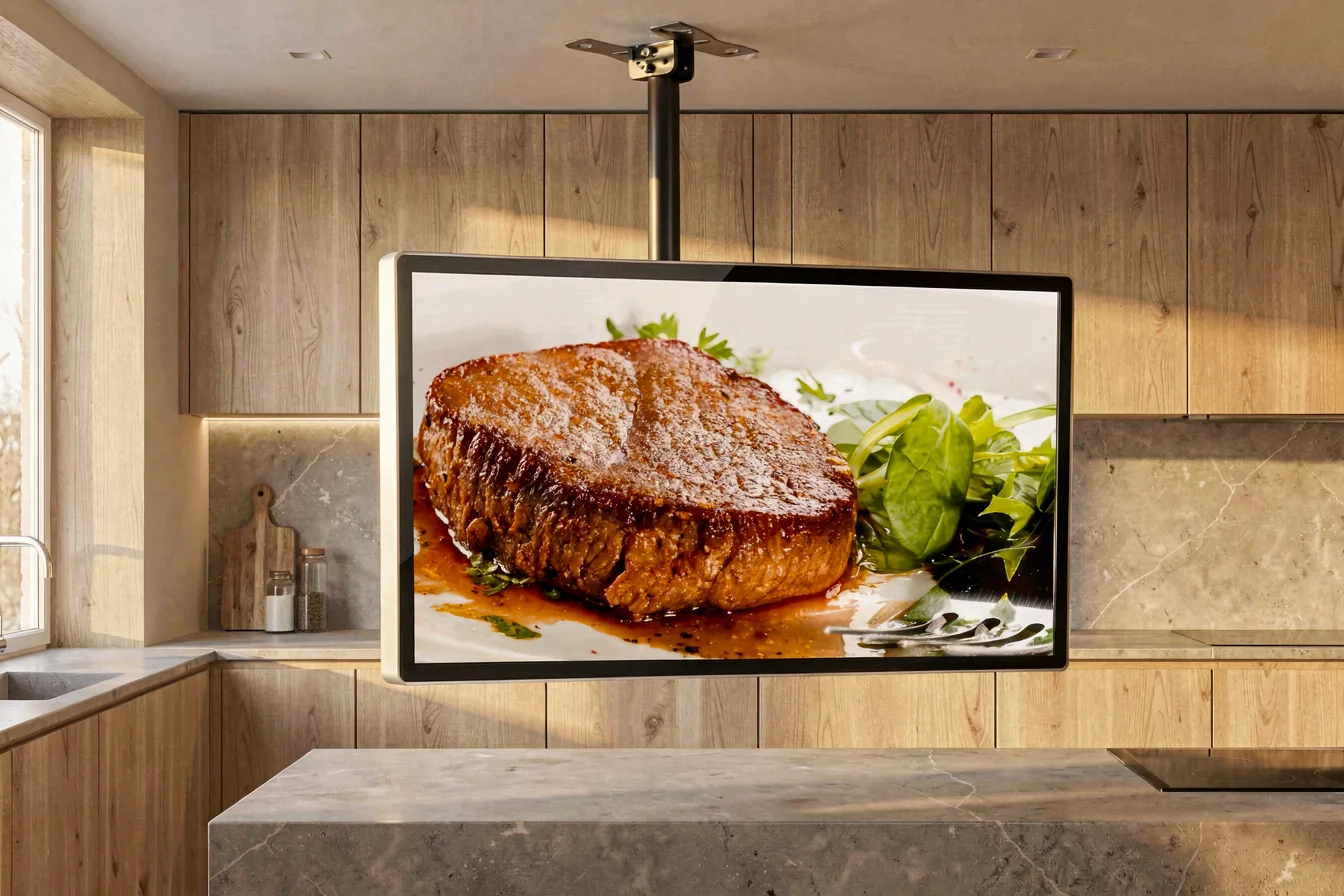
Optimal procurement blends direct factory sourcing for custom specs and authorized distributors for warranty and support. B2B platforms like Alibaba.com enable rapid filtering by panel technology, industrial/consumer distinction, and compliance; OEM/ODM partners deliver full customization, but buyers must confirm integration and local standards. Logistics trends favor multimodal shipping, with air preferred for small urgent batches and sea for bulk (price-sensitive). Duty/tax varies: standard LCD panels classify under HS 8528.50 and face moderate tariffs in the US/EU. Panel-mount and industrial PC variants ship under specialized codes (HS 8471 for PCs), sometimes qualifying for tech export incentives. Sellers increasingly provide DDP (Delivered Duty Paid) and installation kits, reducing buyer risk. Buyers should clarify lead times, batch QA, and aftersales support terms, and maintain channel diversity to hedge supply shock.
| Procurement Channel | Advantages | Risks |
|---|---|---|
| Direct Factory | Custom specs, lowest price | QA variance, integration risk |
| Authorized Distributor | Warranty, support, batch QA | Higher price, slower custom changes |
| B2B Platform (Alibaba.com) | Rapid filtering, compliance options | Seller vetting required |
Buyers should leverage B2B platforms for rapid sourcing and prioritize authorized channels for warranty support; multimodal shipping minimizes cost and lead-time risk in bulk orders.
Looking ahead, the 21 inch LCD panel segment will see gradual price normalization as legacy inventory gives way to higher-brightness, anti-blue-light, and touch-integrated variants, especially in commercially installed environments. Industrial PCs and panel-mount solutions will thrive, but consumer applications risk displacement by 24/27-inch mini-LED and OLED models, driving competitive pressure on entry-level SKUs. Buyers should focus on long-term value by selecting robust, compliance-ready panels for industrial, signage, and OEM deployment; maintain a multi-tier supplier base to optimize price and mitigate logistics disruption; and monitor new tech (mini-LED, advanced touch) for emerging upgrade cycles. The strongest procurement strategies emphasize durability, integration, and flexibility — positioning B2B buyers to capitalize on resilience, price performance, and aftersales support as market volatility accelerates.