
All categories
Featured selections
Trade Assurance
Buyer Central
Help Center
Get the app
Become a supplier
The year 2026 is witnessing a profound shift in consumer prioritization of garden equipment and landscaping tools, with tillers experiencing remarkable demand spikes among both hobbyists and professionals. This resurgence is catalyzed by factors such as the increased popularity of home gardening, climate-resilient landscaping, and a growing post-pandemic focus on self-sufficiency and food security. The spring planting season is fueling higher retail and wholesale order volumes, while sustainability concerns are steering buyers toward electric and battery-powered models over traditional gas-powered variants. Cultural events like "Homegrown Week" and urban micro-farming initiatives are shaping a buyer profile that values efficiency, ease of use, and environmental responsibility. In addition, supply chain shifts and innovations in agricultural machinery have lowered entry barriers, making tillers not only a practical necessity but a status symbol for smart gardening in 2026[2][3][4][5].
A tiller is a mechanized tool designed to break up and cultivate soil, streamline planting beds, and prepare ground for crops, lawns, or landscaping. Its origins date back to early 20th-century farming innovations when manual labor was shifted to mechanical solutions to boost productivity. Over time, tillers evolved from simple, horse-drawn implements to complex motorized machines integrating steel tines, adjustable wheels, and precise depth controls.
Modern tillers fall into several major classes:
Tillers have become more than just gardening implements—they are the subject of vibrant community dialogue, user-generated content, and genuine peer recommendations across social networks and online forums. In 2026, robust discussions detail not only the technical merits of specific tiller models but also touch upon lifestyle integration: weekend warriors debating reliability, and urban homesteaders sharing tips on sustainable cultivation.
One of the main themes in recent gardening forums is the distinction between rear-tine and front-tine models—users routinely recommend rear-tine machines for "breaking new ground," particularly in hard clay soils prevalent across the NC Piedmont. The sentiment from hands-on users leans towards investing in durability: "Weekend warrior brand tillers and the long-term reliability will give out. Go big or go home thinking can and will make a difference," one retired service specialist shares, underscoring the importance of selecting reputable brands and commercial-grade systems[9].
Practical advice dominates:
Tillers are at the forefront of the power tool and garden equipment growth curve in 2026. Industry research reveals a YoY retail and wholesale market expansion exceeding 20%[5], driven by tech-enhanced designs and seasonal surges linked to spring and early summer planting. Regional variations indicate higher sales in North America, especially in urban peripheral zones and suburban markets where new homeowners are revitalizing old gardens.
Emerging subcategories include cordless electric cultivators, high-efficiency battery models with dual charging packs, and multi-functional rototillers capable of weeding, aerating, and deep tilling in one pass. Price tiers stratify the market between entry-level electric models ($70-$140 retail), mid-tier hybrid and higher-amp corded options ($140-$200), and premium rear-tine gas tillers commanding upwards of $450 for commercial applications.
Leading innovations focus on:
Amazon Retail Data Bar Chart: Dominant Tillers by Last Month's Sale Volume
The latest Amazon sales reflect a competitive landscape dominated by electric and corded models, with standout performers regularly achieving monthly volumes above 200 units. This bar chart displays normalized sales for the top 10 Amazon tillers, highlighting the immense popularity of foldable, multi-tine cultivators optimized for modern gardening.
Monthly Sale Volume of Top 10 Amazon Tillers (Jan 2026)
Actionable insights:
Sentiment Analysis: Review Keywords Driving Amazon and Community Preference
Key Amazon review trends for 2026 show overwhelmingly positive responses for electrically-powered and foldable units, especially on factors of ease of assembly, portability, and consistent tilling performance. Top review keywords include:
For B2B buyers, aligning wholesale sourcing with products flagged for assembly simplicity, operator comfort, and long-term warranty coverage will enhance downstream retail sales success. The UGC landscape supports favoring suppliers who integrate consumer feedback into iterative design enhancements[9].
Hot Selling Analysis: Top 10 Amazon Tillers Comprehensive Spec Table
The following table showcases the 10 best-selling tillers from Amazon, ranked by verified retail sales in the latest month. Each entry provides image, pricing, capacity, user ratings, and salient features relevant for both retail and wholesale buyers.
| Image | Product Name | Specifications & Features | Retail Price | Wholesale Price | Avg. Star Rating | Latest Month Sale Volume |
|---|---|---|---|---|---|---|
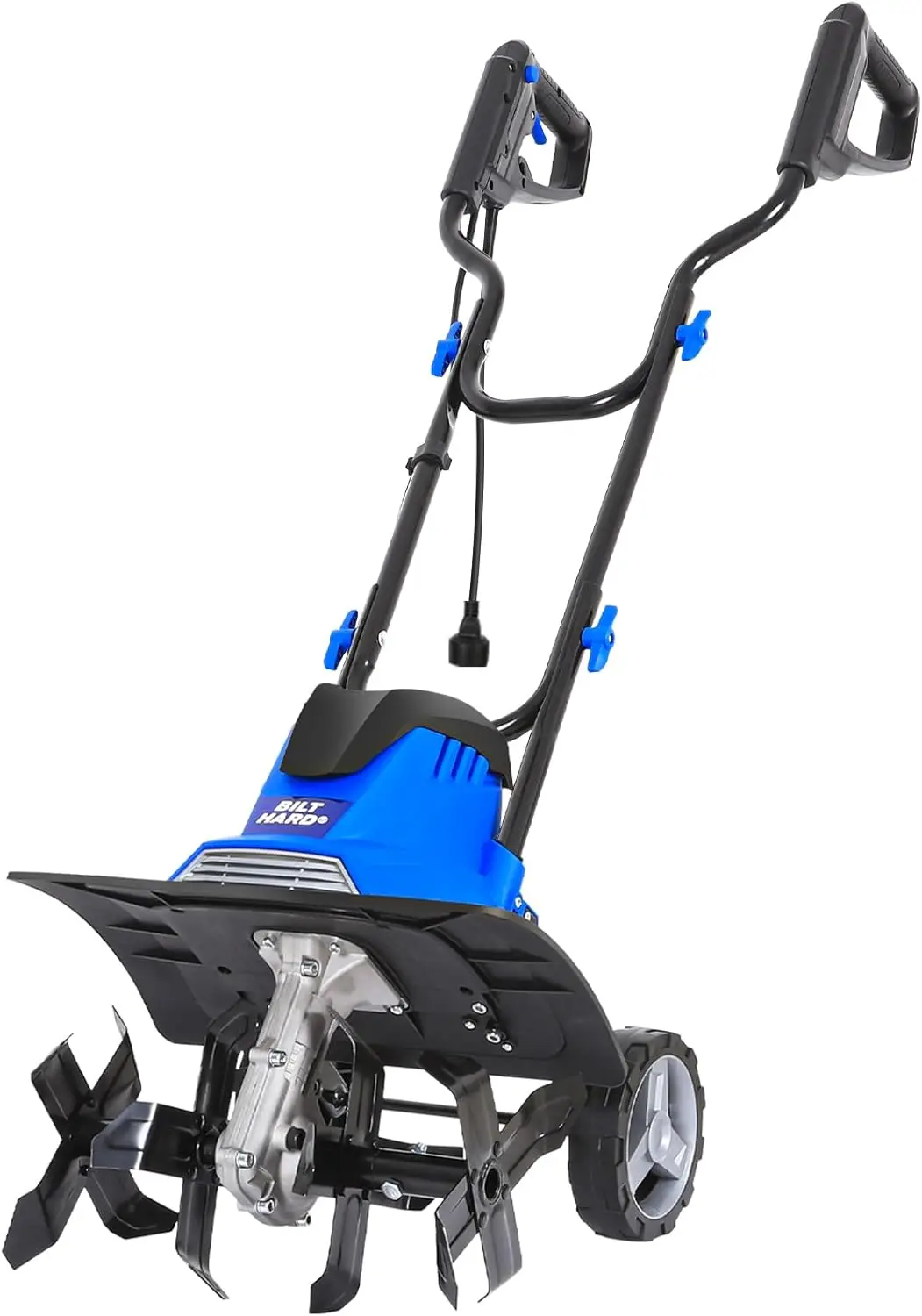 |
BILT HARD Electric Tiller Cultivator 14 inch, 10 Amp 4 Steel Tines | Corded, Foldable Handle, Wheels, Adjustable Depth, 4 Steel Tines, 14" Tilling Width | $107.74 | $59.00 | 4.6 | 204 |
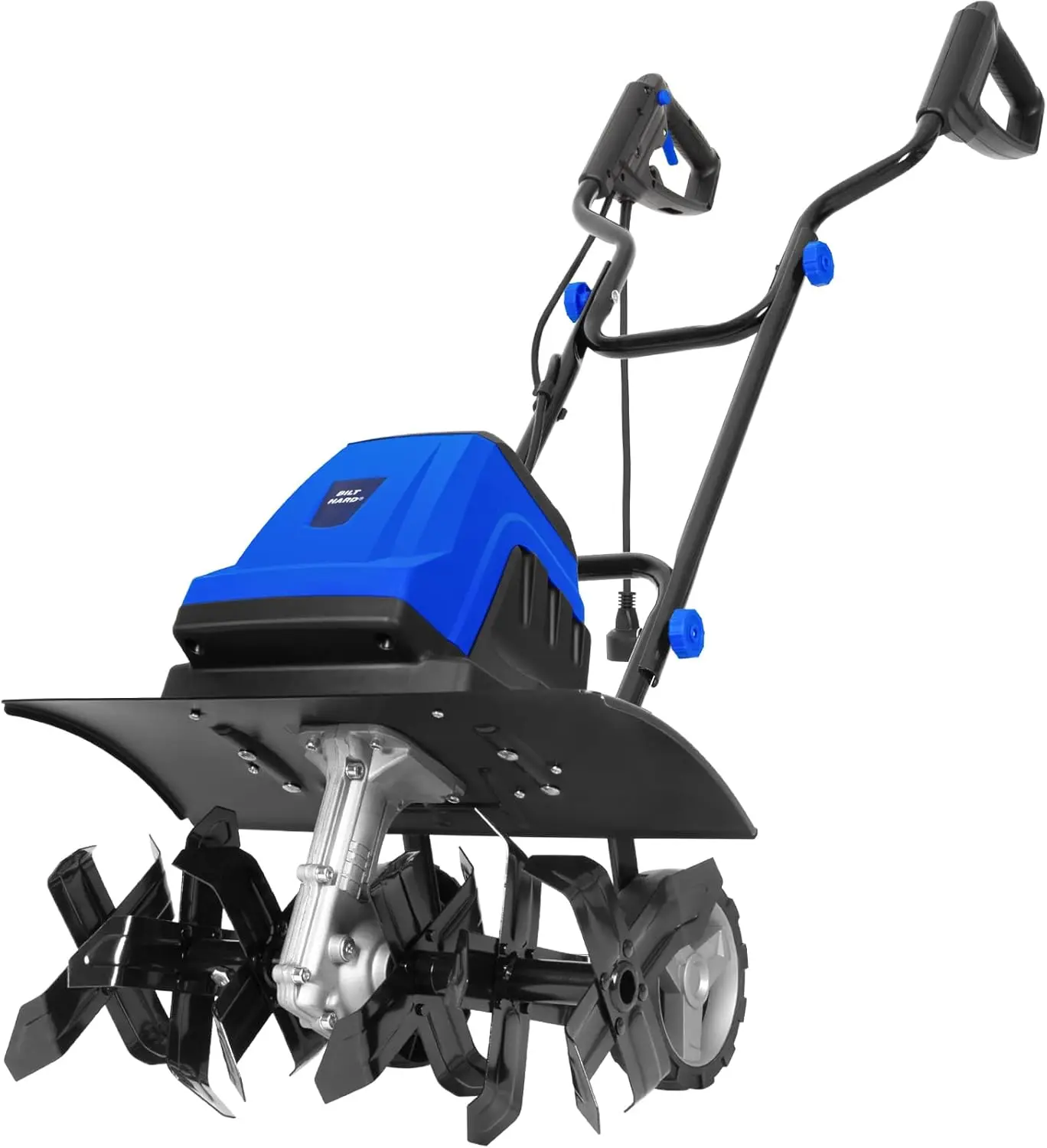 |
BILT HARD 18 Inch Electric Tiller Cultivator, 15 Amp, 6 Steel Tines | Corded, Adjustable Wheels, 18" Tilling Width, High Power for Soil Digging | $139.50 | $59.00 | 4.6 | 203 |
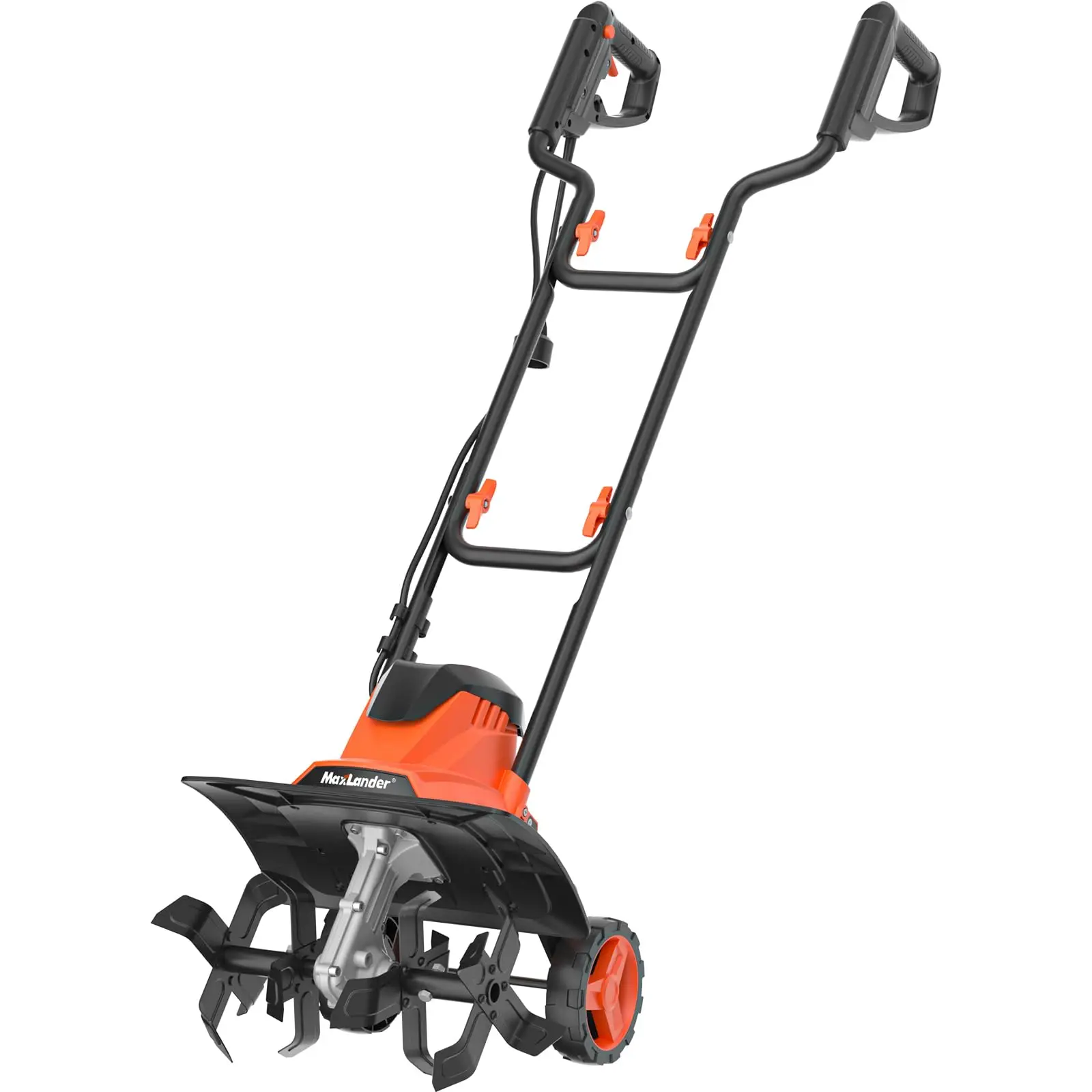 |
MAXLANDER Electric Tiller Cultivator, 14 Inch 12 Amp | Corded, Foldable Handle, Wheels, 4 Steel Tines, 14" Tilling Width | $95.43 | $37.50 | 4.5 | 101 |
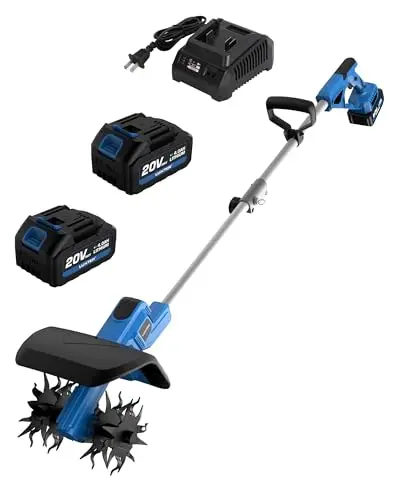 |
LUXTER 20V Cordless Tiller for Gardening, 8.6 Inch | Cordless, 48 Steel Tines, 8.6" Width, Includes 2×4.0AH Batteries & Fast Charger | $107.78 | $44.00 | 4.8 | 87 |
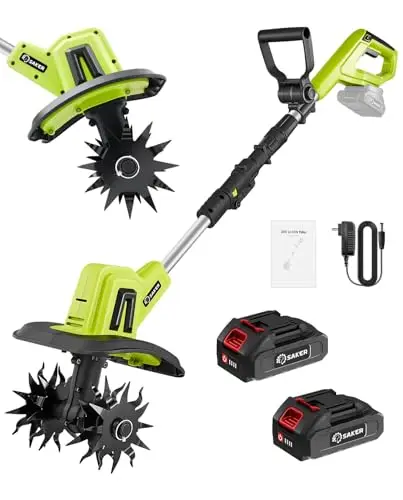 |
Saker 22V Cordless Electric Garden Tiller Cultivator, 9-Inch | Cordless, Lightweight, 2 Batteries, 9" Width, 6.3" Depth, Soil Prep & Weeding | $115.03 | $22.00 | 4.0 | 48 |
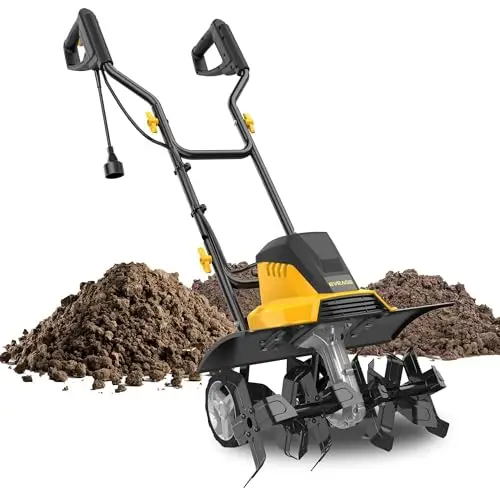 |
EVEAGE 18-Inch 13.5AMP Rototiller | Corded, Foldable Handle, 6x4 Tines, 18" Width, Adjustable Wheels | $117.90 | $60.80 | 4.5 | 5 |
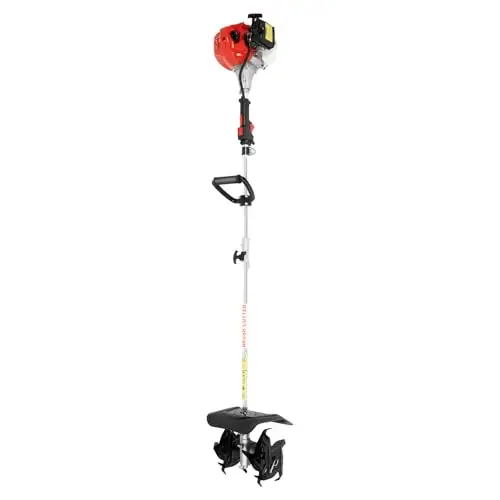 |
51.7CC 1.45kW Gas Powered Cultivator Handheld | Gas Powered, 2-Stroke, 6500 rpm, 9*3.5" Cultivation Area, Air-Cooled Engine | $97.36 | $62.50 | 5.0 | 5 |
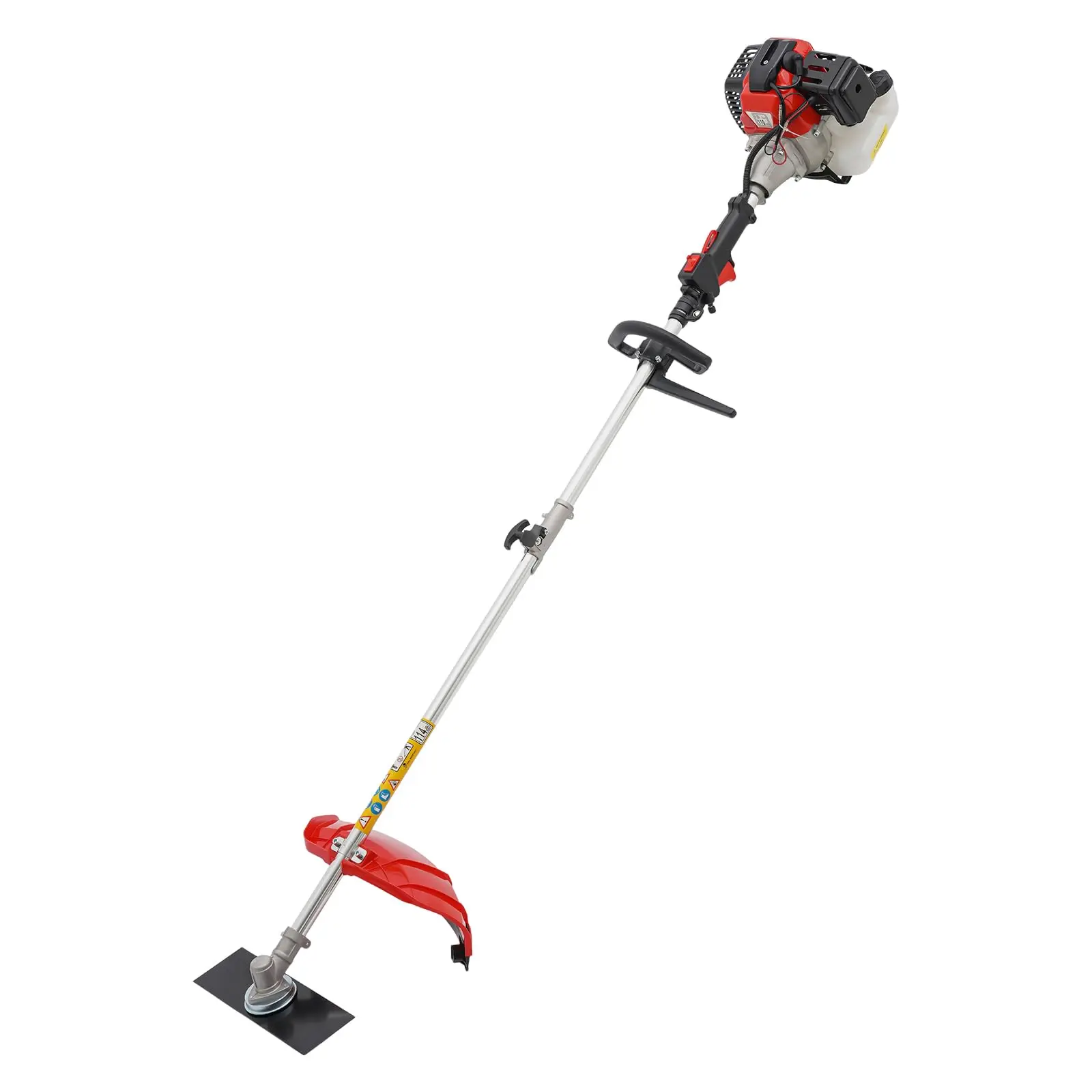 |
BFDIEEM 2-Stroke 53CC Gas Powered Tiller Cultivator | Gas Powered, Multi-Functional, Ideal for Digging, Weeding, Lawn/Soil Cultivation | $215.00 | $45.75 | 0.0 | 5 |
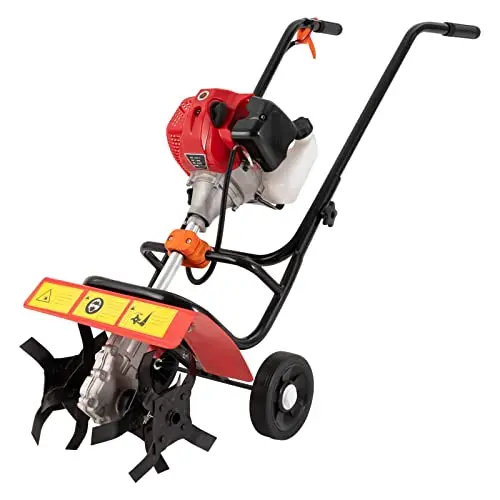 |
52cc 2 Stroke Commercial Tiller Gas Powered Tiller | Gas Powered, Long Handle, Mini Rotary Cultivator, Commercial Soil Cultivation | $110.24 | $95.31 | 3.8 | 5 |
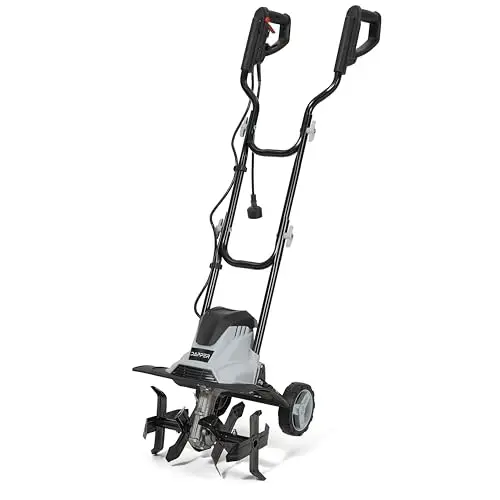 |
Dapper Supply 18 Electric Tiller Cultivator, 15Amp | Corded, Adjustable Depth Wheels, 6 Steel Tines, Soil Cultivation for Landscaping | $199.95 | $61.54 | 5.0 | 5 |
Table data sourced from [1]
Key findings:
To optimize tiller procurement in 2026, buyers should exercise rigorous evaluation across certifications, capacity, logistics, and after-sales support.
Supplier Evaluation Criteria:
Avoid common pitfalls such as overcommitting to non-seasonal inventory, neglecting technical support, and ignoring local soil structure compatibility. Prioritize suppliers with agile production schedules and verified fulfillment rates. Diversify source base to mitigate price fluctuations and regulatory risks. Leverage product innovations (modular handles, quick-swap batteries) for strategic differentiation in crowded retail channels.
Competitive advantages derive from predictive analytics (lead time forecasts, sales history), branded partnerships, and forward integration to service and parts logistics. B2B buyers should consistently track peer review clusters for upcoming quality or reliability issues and demand iterative improvements from factory partners.
In summary, the tiller category is thriving in 2026 due to rapid innovation, evolving gardening trends, and sustained consumer demand for easy-to-use, high-performance tools. Key data insights reveal that corded electric models are reigning in retail volume, with cordless, battery-powered units gaining ground as technology improves. Gas-powered tillers retain relevance in specialist roles but trail the mainstream market.
Procurement professionals are advised to:
Now is the moment to act: Reevaluate your sourcing strategy, expand your supplier base, and invest in the next generation of garden tillers to ride the wave of this industry’s powerful transformation.